
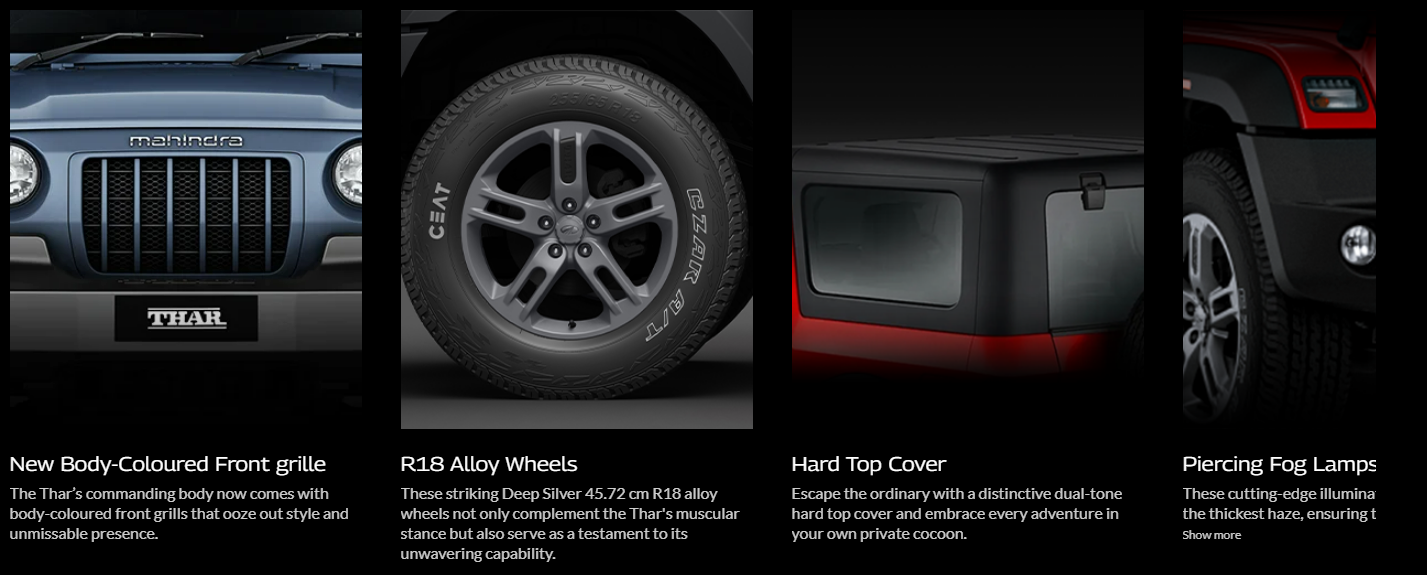
The 2025 Mahindra Thar facelift launch in India at Rs 9.99 lakh presents an interesting case study when compared to the SUV landscapes in Japan and Taiwan. While the Thar addresses India’s growing demand for affordable lifestyle off-roaders, the preferences and market dynamics in these three Asian markets reveal stark differences in consumer behavior and vehicle choices.
Market Position and Availability
India: The Home Market
The Mahindra Thar enjoys strong brand recognition and cultural significance in India as an iconic off-road vehicle. The 2025 facelift starting at Rs 9.99 lakh (approximately $12,000) positions it as an affordable entry into the lifestyle SUV segment. Despite being manufactured in India, the Thar faces competition from compact SUVs like the Hyundai Creta and Kia Seltos in the urban market.
Japan: Limited Presence, Different Preferences
Mahindra has a minimal direct passenger vehicle presence in Japan, with the company primarily focusing on agricultural machinery through its joint venture with Mitsubishi Mahindra Agricultural Machinery. The Japanese market strongly favors:
-
Compact hybrid SUVs like Honda CR-V and Toyota RAV4
-
Fuel-efficient vehicles with advanced safety features (ADAS)
-
Smaller footprint vehicles due to urban parking constraints
Interestingly, while Mahindra lacks presence, the Suzuki Jimny (made in India) has become a sensation in Japan, with the 5-door Nomad variant receiving 50,000 pre-orders within days of launch at JPY 2.65 million ($18,300). This demonstrates Japanese preference for compact, capable off-roaders rather than larger SUVs like the Thar.
Taiwan: Import-Dependent Market
Taiwan’s automotive market is heavily import-dependent, with no significant Mahindra presence. The SUV market in Taiwan shows preference for:
-
Toyota Corolla Cross leading sales (25,200+ units in H1 2025)
-
Compact SUVs dominating the market
-
Electric vehicles growing rapidly (+91.1% YoY in June 2025)
Market Size and Growth Comparison
| Market | SUV Market Size (2025) | Growth Rate | Key Characteristics |
|---|---|---|---|
| India | USD 21.9 billion | 11.2% CAGR | Fastest growing, value-focused |
| Japan | USD 30.2 billion | 7.8% CAGR | Mature, hybrid/tech-focused |
| Taiwan | USD 8.5 billion | 9.1% CAGR | Import-driven, compact preference |
Consumer Preferences Analysis
India: Value and Adventure
-
Price sensitivity drives purchasing decisions
-
Growing appetite for lifestyle and adventure vehicles
-
Diesel engines preferred for fuel economy
-
Manual transmissions still popular
-
Off-road capability valued for weekend adventures
Japan: Efficiency and Technology
-
Over 70% of SUV sales are hybrid or electric
-
Compact dimensions crucial due to space constraints
-
Advanced safety features (ADAS) mandatory
-
Fuel efficiency prioritized over power
-
Reliability and build quality paramount
The Jimny’s success in Japan (4,780 units imported in June 2025 vs Thar’s modest performance) illustrates this preference – Japanese consumers want capable off-roaders but in smaller, more efficient packages.
Taiwan: Import Premium and Compactness
-
Import duty tolerance for desired features
-
Toyota and Honda dominance in SUV segment
-
Electric vehicle adoption accelerating
-
Urban-focused designs preferred
-
Compact SUVs like Corolla Cross leading sales
Pricing Strategy Comparison
Direct Price Comparison (USD)
| Vehicle | India Price | Japan Equivalent | Taiwan Market |
|---|---|---|---|
| Mahindra Thar | $12,000-20,400 | Not available | Not available |
| Suzuki Jimny | $15,300-17,900 | $18,300 (Nomad) | Limited availability |
| Toyota RAV4 | Not offered | $25,000+ | $30,000+ |
The Thar’s pricing advantage in India doesn’t translate to other markets due to import duties, safety regulations, and different consumer expectations.
Regulatory and Infrastructure Differences
Safety Standards
-
Japan: Stringent safety requirements including mandatory ADAS
-
Taiwan: European/Japanese safety standards preferred
-
India: Growing safety awareness but more lenient regulations
Fuel Infrastructure
-
Japan: Extensive hybrid infrastructure, limited diesel availability
-
Taiwan: Gasoline-focused, growing EV charging network
-
India: Diesel widely available, growing CNG/electric infrastructure
Market Entry Challenges for Thar
Japan Market Barriers
-
Size constraints: Thar’s dimensions too large for Japanese preferences
-
Fuel type mismatch: Diesel less popular than hybrid/petrol
-
Emissions standards: Japan’s strict environmental regulations
-
Brand recognition: Limited Mahindra passenger vehicle presence
-
Price positioning: Would be significantly more expensive than domestic alternatives
Taiwan Market Challenges
-
Import duties: High taxation on imported vehicles
-
Brand preference: Strong loyalty to Japanese brands
-
Size preference: Market favors more compact SUVs
-
Service network: Lack of established dealer/service infrastructure
-
Regulatory compliance: Need for extensive modifications for local standards
Success Factors from Competing Models
Suzuki Jimny’s Japan Success
-
Compact dimensions suitable for Japanese roads
-
Established brand trust in Japan
-
Reasonable pricing for the segment
-
Authentic off-road capability in a small package
-
Cute/distinctive styling appealing to Japanese aesthetics
Toyota’s Cross-Market Success
-
Hybrid powertrains across all markets
-
Consistent quality and reliability reputation
-
Market-specific sizing (different models for different regions)
-
Strong dealer networks and after-sales service
-
Localized features while maintaining core DNA
Strategic Implications for Mahindra
India Market Focus
The Thar facelift’s positioning in India remains strong due to:
-
Cultural connection to adventure and freedom
-
Competitive pricing in the domestic market
-
Growing lifestyle SUV segment
-
Strong dealer network and service support
Export Market Strategy
For success in Japan and Taiwan, Mahindra would need:
-
Smaller platform development similar to Jimny’s approach
-
Hybrid/electric powertrain options
-
Enhanced safety features meeting international standards
-
Strategic partnerships with local distributors
-
Significant cost restructuring for competitive pricing
Conclusion
The 2025 Mahindra Thar facelift’s success in India at Rs 9.99 lakh demonstrates the importance of market-specific product development. While the Thar thrives in India’s price-conscious, adventure-seeking market, its direct translation to Japan or Taiwan would face significant challenges due to different consumer preferences, regulatory environments, and competitive landscapes.
The Suzuki Jimny’s contrasting success in Japan (50,000 bookings vs modest Thar sales in India) illustrates that off-road capability alone isn’t enough – successful vehicles must align with local preferences for size, efficiency, technology, and pricing. For Mahindra to succeed in these markets, it would need to develop region-specific products rather than adapting existing ones, similar to how Toyota offers different SUV lineups across these three markets.