Japan Korea Taiwan China

Rethinking that second drink: Japan’s Gen Z gets ‘sober curious’

Her name may conjure images of boozy cherry blossom parties, but Hanami Ohashi hardly drinks.

The 25-year-old hairstylist in Daikanyama, a fashionable Tokyo neighborhood of boutiques and restaurants, says she’ll have one alcoholic drink a week at most. “If I’m meeting friends, I might have a beer — just one. More often, we end up at a cafe.”

Ohashi is not unusual in passing on a second round. She belongs to a generation drinking far less than their parents did, swept up in what’s been dubbed the “sober curious” movement. National surveys show that around 60% of people in their 20s consume little to no alcohol, a shift driven by heightened awareness of health risks, anxieties over the future after decades of economic stagnation, and an explosion in cheap, digital entertainment options like gaming, streaming services and social media.

“When I turned 20 (the legal drinking age in Japan), it was right in the middle of the pandemic, so there just weren’t any big parties,” Ohashi says. “There were the occasional drinks at home, but nothing like the large gatherings people used to have. I never really picked up the habit.”

​​That generational recalibration has not gone unnoticed by the drinks industry. Major brewers now market a growing range of zero- and low-alcohol products, while bars and restaurants experiment with mocktails and alcohol-free pairings. What was once a niche offering has become a fast-expanding category, signaling a shift in Japan’s drinking culture.


“I usually have about one can a day, and on days off when I meet friends, I might drink a little more,” says Kyoka Noguchi, Ohashi’s co-worker at the Daikanyama salon. “My parents go out drinking way more often than I do,” adds the 28-year-old, noting that she doesn’t know “anyone my age who goes out drinking specifically to meet new people.”

She shrugs: “People use apps for that now.”

Mis-nominication

For decades, drinking was woven into the fabric of Japanese social life. After long days at the office, colleagues crowded into smoky izakaya pubs, where beer and sake helped smooth over workplace hierarchies and foster a sense of belonging. The practice became so common that it inspired a new word: nominication, a mashup of nomi (drinking) and “communication.” Today, the ritual has lost much of its appeal.

“The decline in alcohol consumption among young people has been underway since the early 2000s,” says Naoko Kuga, a senior researcher at the NLI Research Institute.

With the economy in a prolonged slump since the asset price bubble popped in the early 1990s, men in particular began drinking less, and after-work gatherings among people in their 40s and 50s declined. In 2008, the government introduced a specific health checkup program targeting metabolic syndrome and other lifestyle-related diseases. Kuga says this further heightened health consciousness among working adults.

“Among younger generations, the shift was accelerated not only by the pandemic but also by the rapid spread of smartphones and social media from the 2010s onward,” she adds. As digital entertainment options multiplied, the perceived value of meeting up in person began to fade.

The idea of being sober curious — reassessing one’s relationship with alcohol without necessarily quitting — first appeared in the United States around 2018, she notes. The term began circulating in Japan about five years ago.
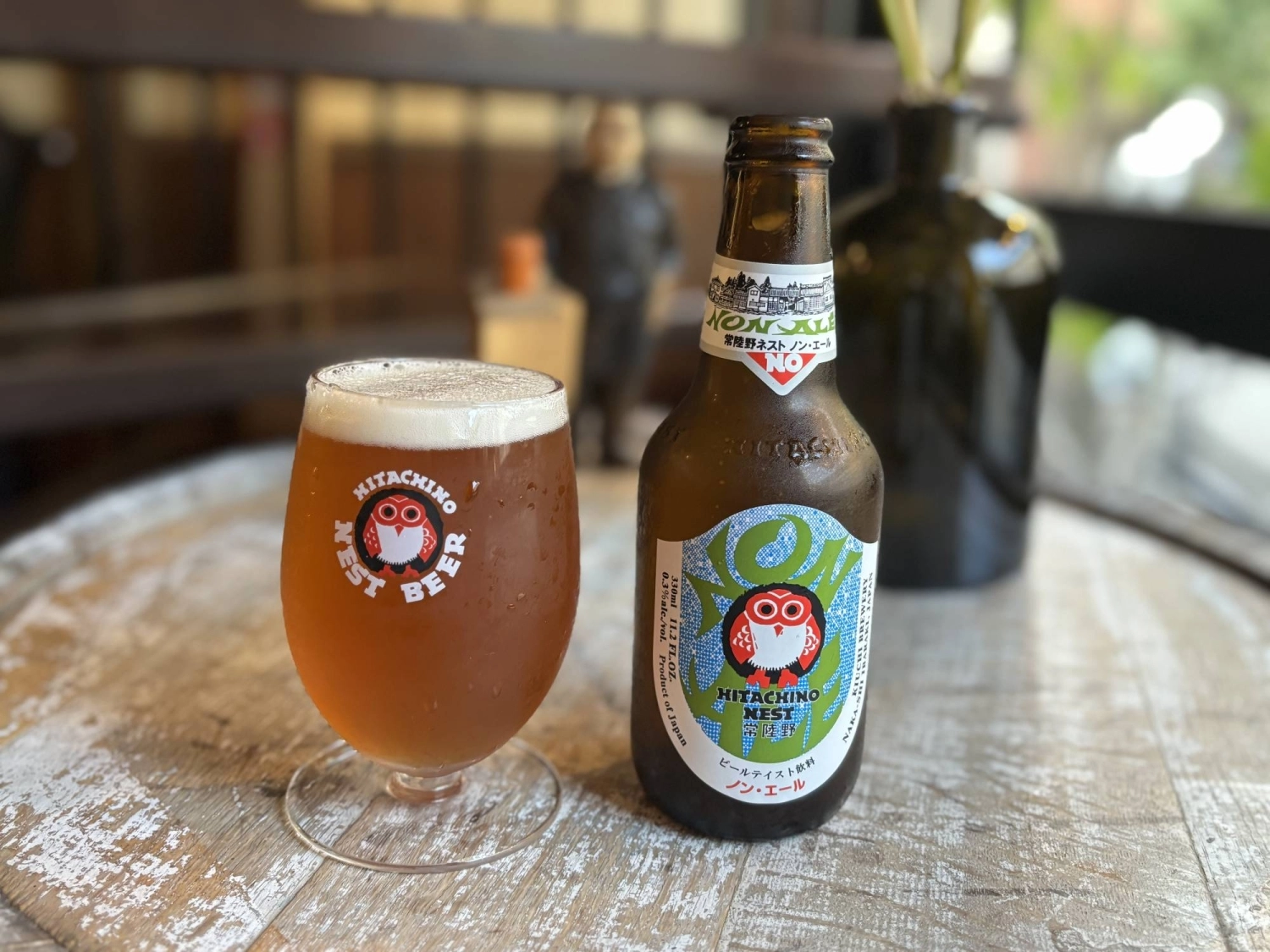
Beer Pub Ishii, a craft beer pub in Bunkyo Ward, offers Hitachino Brewing's 0.3% brew to customers looking for low-alcohol options. Beer Pub Ishii, a craft beer pub in Bunkyo Ward, offers Hitachino Brewing’s 0.3% brew to customers looking for low-alcohol options.| ALEX K.T. MARTIN
Small drinking establishments like this one in central Tokyo are ubiquitous throughout Japan, though drinking among men over the age of 40 has been on the decline since the 1990s.Small drinking establishments like this one in central Tokyo are ubiquitous throughout Japan, though drinking among men over the age of 40 has been on the decline since the 1990s.| JOHAN BROOKS
According to the National Tax Agency’s annual report on Japan’s alcohol industry, domestic sales peaked in 1996 and have been in steady decline ever since. Beer once dominated, accounting for more than 70% of total consumption through the mid-1990s. But tax changes in the early 2000s spurred a rise in happōshu (low-malt beer), and canned, liquor-based drinks have more recently gained ground, reflecting more diverse drinking habits.

When looking at habitual drinking, defined as consuming at least one (about 180 ml of sake, or its alcohol equivalent) per day on three or more days a week, Kuga points to data from the National Health and Nutrition Survey that show a clear decline.

Comparing figures from 1999, 2019, 2022 and 2023 (surveys in 2020 and 2021 were suspended during the pandemic), rates have fallen across all male age groups, as well as among women in their 20s and 30s, and those 70 and older. The most notable drop has been among men in their 40s and 50s, traditionally the heaviest drinkers, where habitual drinking rates have fallen by as much as 20 to 30 percentage points.

“Interestingly, we’re seeing a slight rise in habitual drinking among women in their 40s to 60s compared to the late 1990s,” Kuga says. “In fact, women in this age group now drink more regularly than men in their 20s.”

Part of the reason for these changes is that more women are in the workforce and have the same opportunities for work-related meals and gatherings as men, she adds. “And compared to the past, society is now far more accepting of women enjoying alcohol.”

Taichi Takata, who owns two restaurants and a bar in Tokyo’s Kagurazaka neighborhood, says his establishments stock nonalcoholic drinks in bottles, and that they sell reasonably well.
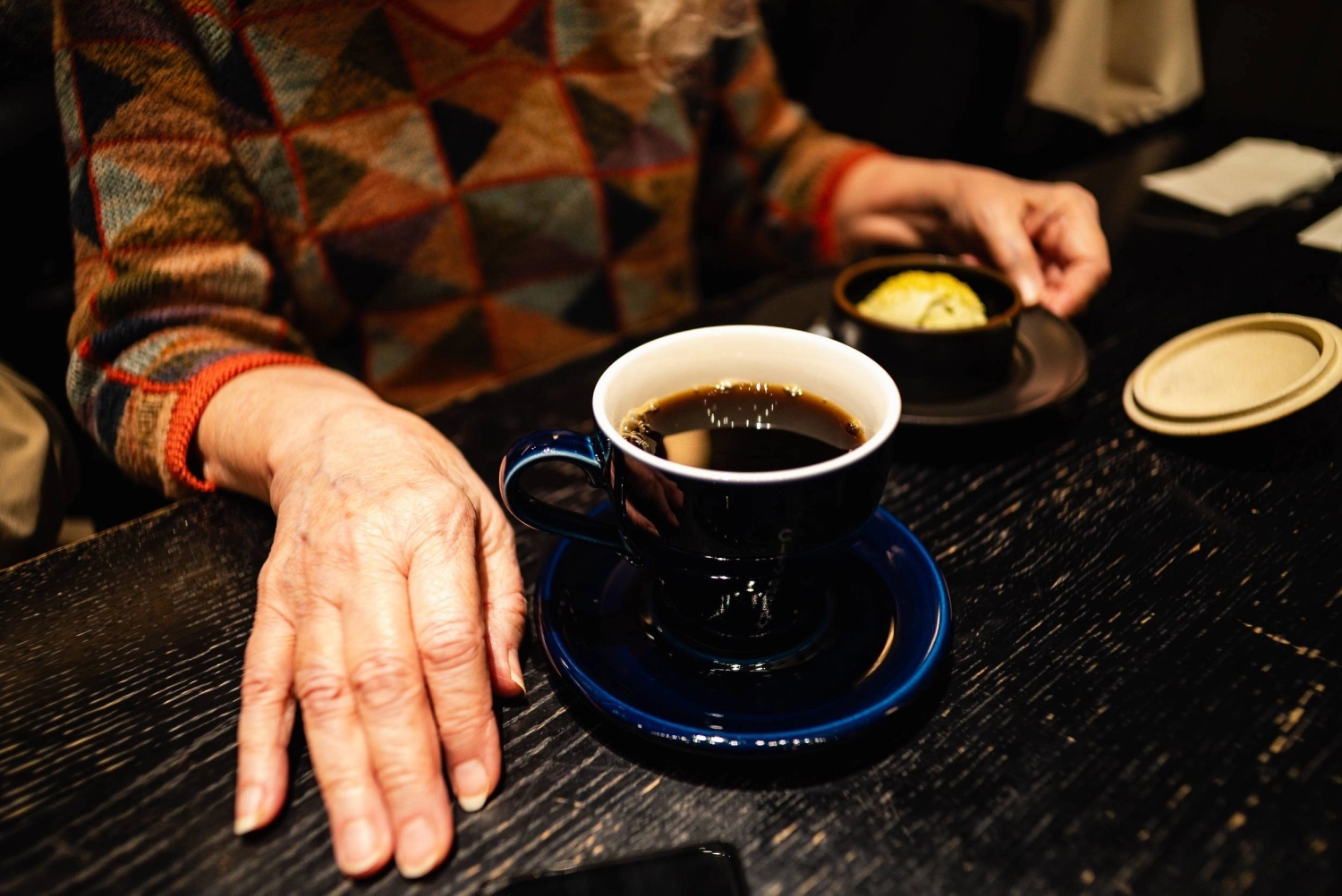
Though their cohort is more comfortable drinking in public, some women in the over-40 demographic are still content with a tea when they're out at the pub.Though their cohort is more comfortable drinking in public, some women in the over-40 demographic are still content with a tea when they’re out at the pub.| JOHAN BROOKS
“I’ve noticed more women and couples choosing soft drinks with their meals,” he says. “And among women in their 40s, 50s and 60s, drinking has definitely increased. I think it has to do with how there are fewer full-time housewives and more women making higher incomes. The spread of wine culture may have something to do with it, too. Women are more comfortable with drinking than before. A toast with sparkling wine is seen as stylish, and I think that matches their tastes now.”

At Takata’s restaurants, wine, beer and whiskey highballs still dominate sales. “As for younger people, so many are into anime, gaming or K-pop — that’s where they want to spend their money and time. They don’t really have space for drinking.”

With the diversification in drinking styles, beverage makers are trying out new slogans to entice customers. Asahi Breweries, for example, has rolled out a “Sumadori” (smart drinking) campaign that promotes a more flexible approach where people — whether drinkers or not — select beverages that match their health, mood and social setting.

Drinking smart?

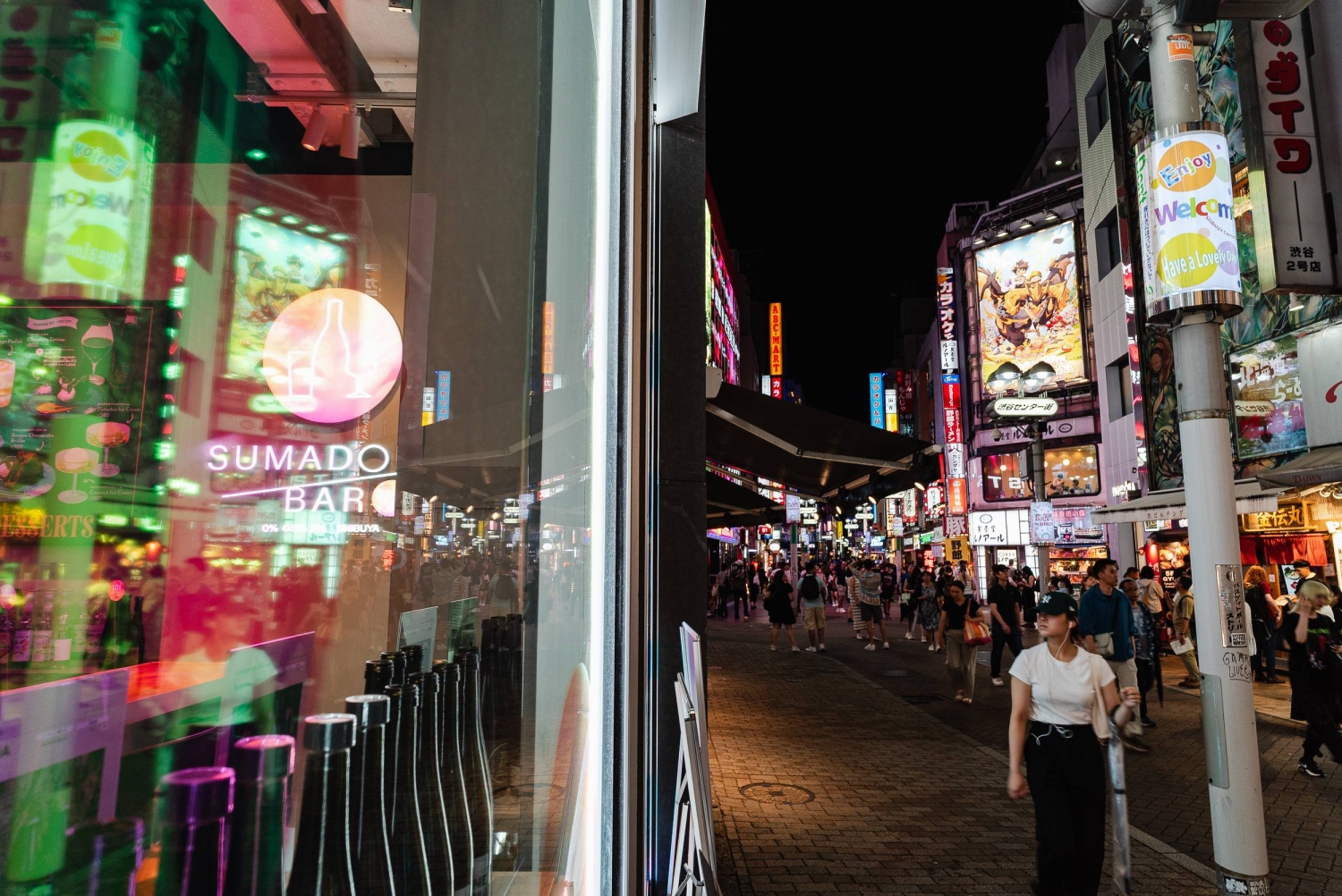
In Shibuya’s narrow yet bustling Center Gai shopping and entertainment street stands the Sumadori Bar. Housed in a marbled rainbow-colored interior, its first floor features a long counter for customers looking for a quick drink, while the second floor offers sofas and table seating.

“We have drinks in three alcohol levels — 0%, 0.5% and 3%,” says Kimihisa Otsuka, the bartender and assistant manager, as he prepares one of the bar’s signature cocktails, the Marbling Rain. The drink comes topped with a pink-and-yellow cotton candy puff that dissolves as soda water is poured over a glass of house-made craft lemonade and nonalcoholic gin.
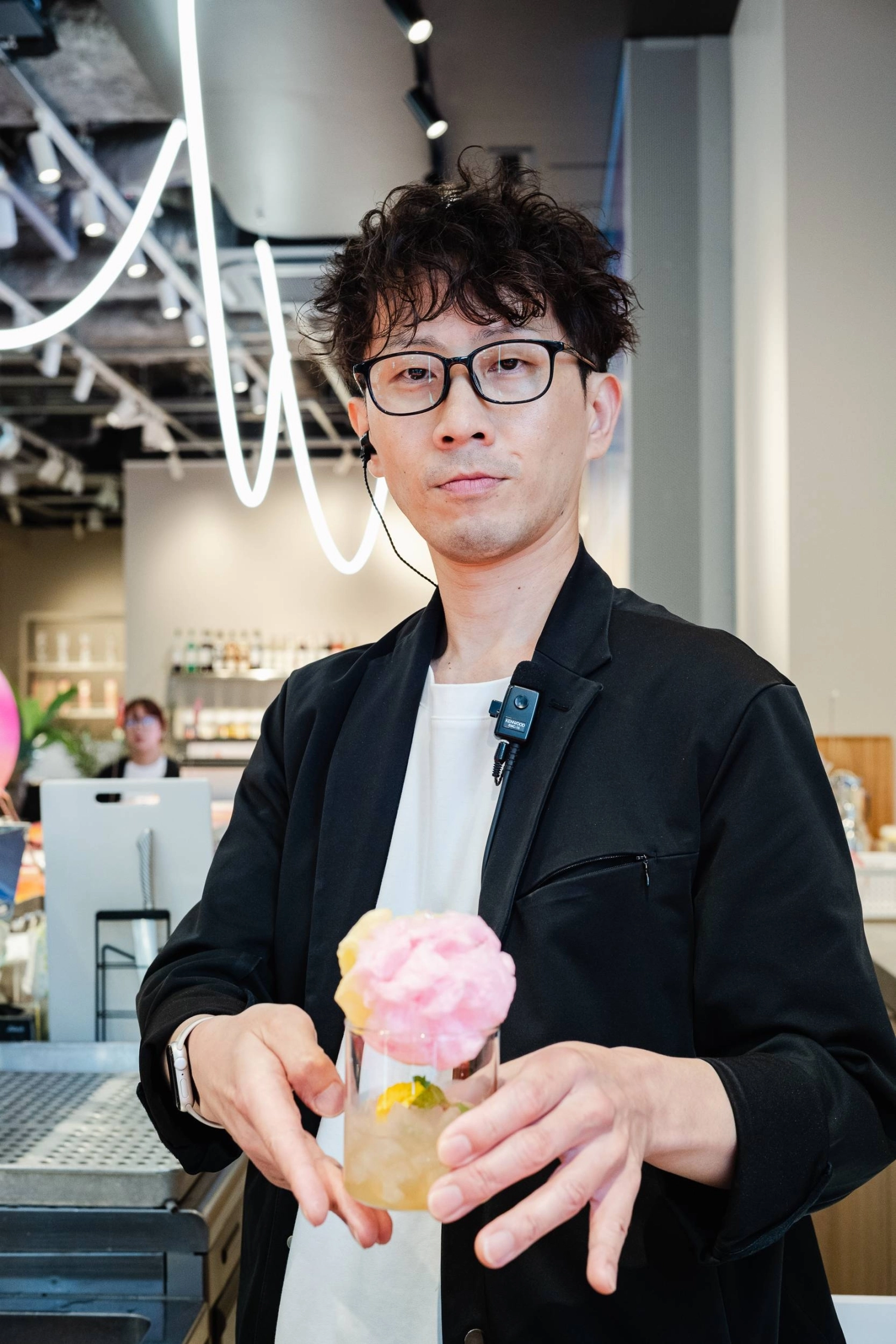
Sumadori Bar bartender and assistant manager Kimihisa Otsuka shows off his establishment's Marbling Rain cocktail. Sumadori Bar bartender and assistant manager Kimihisa Otsuka shows off his establishment’s Marbling Rain cocktail.| JOHAN BROOKS
Opened in June 2022, the idea for the bar grew out of a 2021 Asahi Breweries survey estimating that of Japan’s roughly 90 million adults, more than half — some 50 million people — don’t drink. The research also showed that many people, even the weak drinkers, still longed for aspects of bar and pub culture. With that in mind, Sumadori Bar set its sights on customers in their 20s, 30s and 40s who either abstain or drink very little.

“These days, about 70% of our customers are in their 20s,” says Mai Araki, brand manager at Sumadori, a joint venture between Asahi Breweries and Dentsu Digital. “Many come because our offerings are Instagrammable, and we’ve also intentionally kept prices low. For people who don’t usually drink, paying ¥1,000 for a cocktail can feel like too much of a hurdle, so we’ve made it easier to drop by with a one-coin (¥500) price point instead.”

Asahi’s latest figures show a clear shift in Japan’s drinking habits. While sales of its traditional beer products — including beer, happōshu and the nonmalt “new genre” brews — slipped 2% in the first half of 2025, sales of nonalcoholic beverages, including low-alcohol options, rose 15% year on year, while ready-to-drink products represented by chūhai canned cocktails surged 26% over the same period.

The company’s nonalcoholic beers are also setting records. Shipments of its flagship Dry Zero climbed 10% in 2024 to an all-time high, while sales of Asahi Zero have risen so quickly the company upped its 2025 target by 20% to 2.4 million cases. By the end of August, it had already cleared 1.6 million cases — 80% of its initial goal.
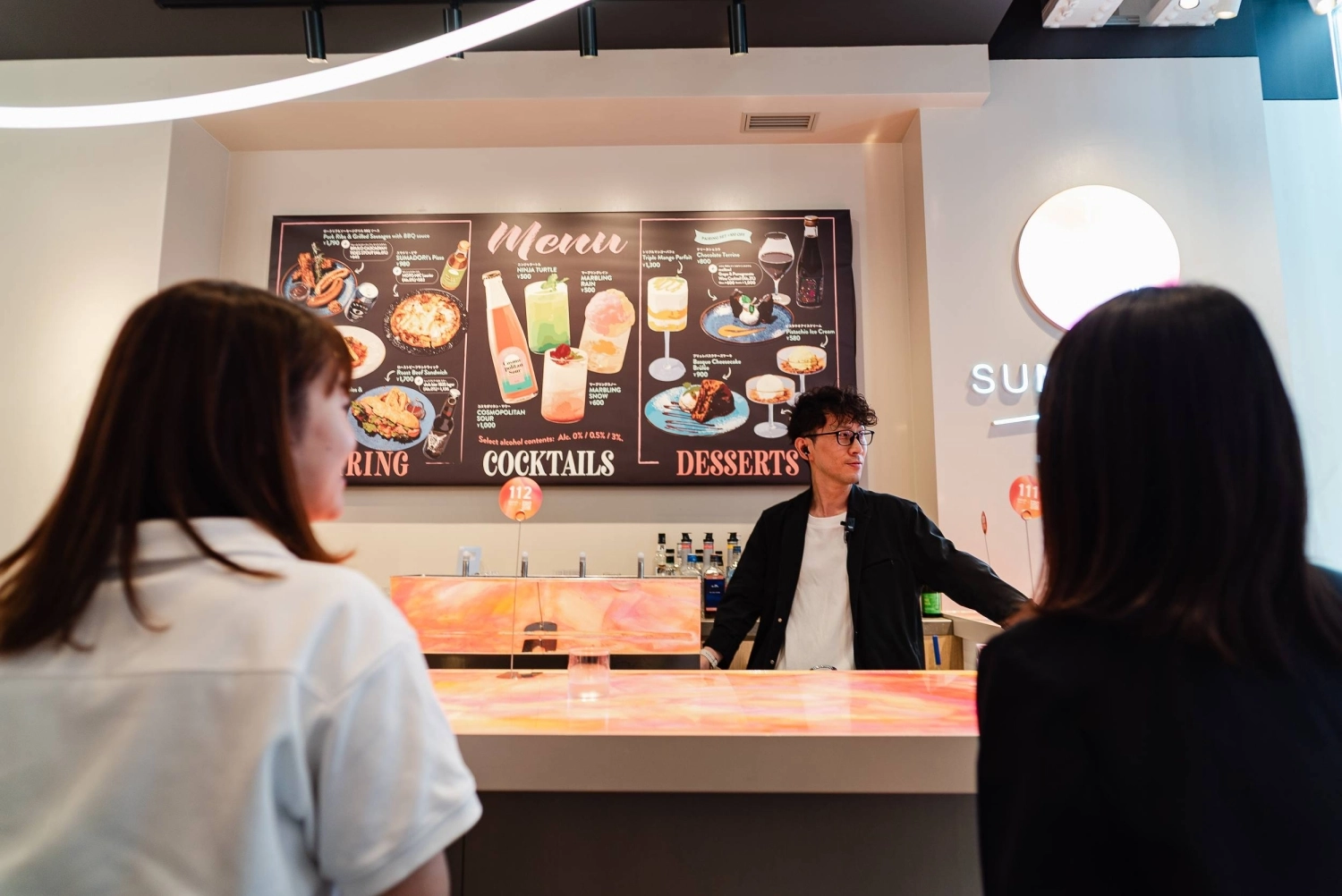
Sumadori Bar's Kimihisa Otsuka says his bar serves drinks with three alcohol levels: 0%, 0.5% and 3%. Sumadori Bar’s Kimihisa Otsuka says his bar serves drinks with three alcohol levels: 0%, 0.5% and 3%.| JOHAN BROOKS
“For younger generations, labeling something as nonalcoholic doesn’t really resonate, especially with those who don’t drink in the first place,” says Shiori Shimizu, a spokeswoman for Asahi Group Holdings, the parent company of Asahi Breweries. “Just putting ‘nonalcoholic’ on a product doesn’t make it appealing. On Sept. 17, we’re launching new products under our #sober (pronounced ‘tag sober’) brand, but instead of promoting them as nonalcoholic, we’re presenting them as a kind of ‘nighttime soda water.’”

Asahi isn’t alone. All of Japan’s major breweries have been investing in the nonalcoholic or low-alcohol beverage sector. Kirin Brewery, known for its namesake beer as well as its pioneering Hyoketsu brand of sweet, fruity canned cocktails, recently launched a new nonalcoholic chūhai brand called Hyo Zero Sparkling.

“Compared with when nonalcoholic beer first appeared in Japan, the taste has improved significantly,” says Susumu Yamanaka, brand manager at Kirin’s Marketing Division. “People in their 30s and 40s often remember the early versions and felt, ‘this isn’t real beer,’ which left a negative impression. Younger generations don’t carry that same bias.”

By their 40s, many people lean toward traditional drinks like sake or shochu, Yamanaka says. In their 50s, long-time drinkers often settle on the brands and types they prefer, while older consumers begin cutting back, shifting toward low- or nonalcoholic options.

While they're increasingly opting for nonalcoholic options, young people still enjoy hanging out at bars and While they’re increasingly opting for nonalcoholic options, young people still enjoy hanging out at bars and “izakaya” taverns, like those near Ueno Station.| JOHAN BROOKS
“Today, the 50-to-60 age range represents the largest market for nonalcoholic beverages,” he says. Health concerns and the occasional warnings that result from yearly health checks all play a role. “For younger people, meanwhile, a soft drink — or even staying at home scrolling on a smartphone — can be just as satisfying.”

After spending her summer working in Tokushima Prefecture, Sumire Higa, 23, is heading back to Okinawa. While there, she expects she’ll be invited to join her father for drinks.

“I’m not great with alcohol,” she says. “When I was 20, I thought I should drink since my father does, but I realized I can enjoy myself without it.”

Now when she drinks with dad, she cracks open a can of Suntory’s nonalcoholic All-Free brew. Does the lack of a buzz lessen the experience?

“No,” she says with a laugh, “I don’t miss it at all.”
Source link

Next Story
PTSGI Translation

PTSGI India: Professional Translation, Interpretation & Localization Services for Global Businesses

New DelhiPresident Translation Service Group International (PTSGI), headquartered in Taipei, is a leading provider of professional language translation services (145+ languages) since 1966, continues to expand its presence as a trusted partner for businesses seeking high-quality translation, interpretation, localization, subtitling, dubbing, voice-over, and multilingual content solutions across global markets.

With increasing demand for cross-border communication, regulatory documentation, and multilingual customer engagement, PTSGI supports organizations with accurate, industry-specific language solutions designed to help brands operate seamlessly across diverse languages and cultures.


Meeting the Growing Need for Multilingual Communication

As international business expands rapidly across industries, the need for precise and culturally aligned communication has become essential. PTSGI addresses this demand by delivering professional translation and interpretation services that align with global quality standards, ensuring clients maintain clarity, consistency, and compliance in every market.

From corporate communications to technical manuals, legal contracts, and multimedia content, PTSGI provides tailored solutions that meet both local and international requirements.


Comprehensive Language Services Under One Roof

PTSGI offers a complete portfolio of language services, including:

  • Professional Translation Services (145+ global languages)
  • Technical & Engineering Translation (HVAC, manufacturing, energy, IT, manuals)
  • Legal & Certified Translation
  • Interpretation Services (On-site, Remote, Conference Interpretation)
  • Localization Services (Websites, mobile apps, software, product content)
  • Subtitling & Captioning (Corporate videos, training modules, media content)
  • Dubbing & Voice-over Services (Multi-language studio solutions)
  • Transcription Services
  • Multilingual Desktop Publishing (DTP)

Each project is executed through a structured workflow that ensures linguistic accuracy, formatting consistency, and timely delivery.


PTSGI India

PTSGI’s India office is coordinated by Mr. Vivek Mishra, who serves as the key point of contact for both domestic and international clients.

Mr. Vivek Mishra oversees end-to-end project coordination, ensuring smooth communication, timely execution, and quality delivery across all service lines. He plays an active role in managing multilingual requirements for corporate, government, and industrial clients, supporting both recurring and high-volume projects with dedicated coordination.


Quality, Confidentiality & Client-Centric Execution

PTSGI differentiates itself through its commitment to quality assurance and professional project management. Every assignment undergoes careful review processes to ensure the highest level of accuracy and consistency.

Key strengths include:

Industry-specialized linguists & subject-matter experts
✅ Multi-step QA and proofreading process
✅ Secure and confidential handling of sensitive documents
✅ Scalable delivery model for bulk and recurring projects
✅ Fast turnaround options for urgent requirements
✅ Dedicated project coordination and responsive support


Supporting Industries Worldwide

PTSGI works with organizations across multiple sectors, including: Legal | Manufacturing | Engineering | HVAC | Energy | Healthcare | IT & Software | Government | Corporate & Marketing

Whether supporting multinational companies, SMEs, or public sector organizations, PTSGI enables clear communication and smoother international operations.


Useful Links

🌐 Website: https://www.ptsgi.com/en/
📩 Request a Quote: indmkt1@ptsgi.com


Contact for Business Enquiries

PTSGI India Office – Vivek Mishra
📍 Address: Spacetime, 1st Floor Office. 261, Lane no.5, Westend Marg, Saket, New Delhi, Delhi 110030
📞 Phone: +91 98711 82233, +91 11 47048089
📧 Email: indmkt1@ptsgi.com
🌐 Website: https://www.ptsgi.com/en/


About PTSGI

PTSGI is a professional language translation services provider delivering end-to-end multilingual solutions including translation, interpretation, localization, subtitling, dubbing, voice-over, and multilingual publishing. With a strong network of expert linguists and a structured quality assurance process, PTSGI helps organizations communicate effectively across borders and cultures.

Next Story
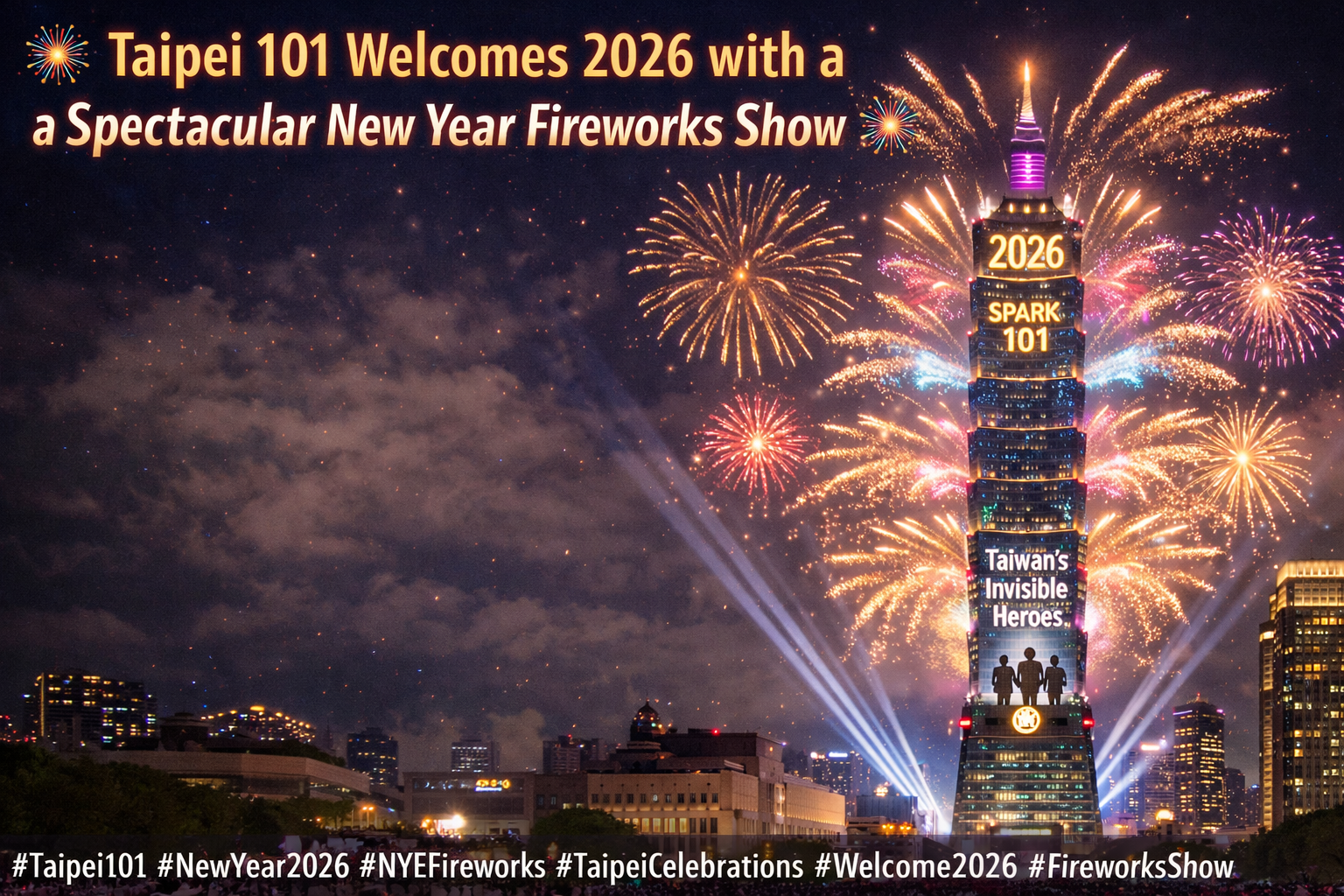
Taipei 101 Welcomes 2026 with a Spectacular New Year Fireworks Show

Taipei 101 Welcomes 2026 with a Spectacular New Year Fireworks Show

Taipei celebrated the arrival of 2026 with its annual New Year’s Eve countdown, climaxing in a dramatic six-minute fireworks show launched from Taipei 101, the iconic skyscraper dominating the city’s skyline.

Theme & Production: The 2026 display, titled “SPARK 101,” featured low-smoke pyrotechnics and was paired with synchronized music composed by young Taiwanese musicians. There were also special light projection segments, including tributes like a “Taiwan’s invisible heroes” theme shown on the tower’s façade before midnight.

Crowd & Celebrations: Tens of thousands of people gathered in Taipei’s Xinyi District and around City Hall Plaza despite rainy conditions to watch the performance and join the countdown festivities, which included concerts and cultural programming leading up to midnight.

Next Story

Experience the Hamamatsu and Lake Hamana Area: A Floral Wonderland for Unforgettable Moments[PR]| JAPAN Monthly Web Magazine

Shizuoka Prefecture, located in central Honshu between Tokyo and Nagoya, is a region rich in natural beauty. To its east stands Japan’s highest peak, Mount Fuji, while the Pacific Ocean stretches to its south. In the Hamamatsu and Lake Hamana area, the Hamanako Flower Festival is held every spring, offering visitors a chance to admire the vibrant flowers. The area also features attractions the whole family can enjoy, including a resort-style amusement park and a scenic ropeway that crosses the lake. It is even celebrated as a “destination where you can show your parents just how much you appreciate them.” Join us as we uncover the many charms of the Hamamatsu and Lake Hamana area, an ideal spot for making lasting memories.

Hamanako Flower Festival: A Celebration of Seasonal Blooms

With its abundant sunshine and mild climate, the Lake Hamana area in Hamamatsu City, Shizuoka Prefecture, is a haven for vibrant seasonal flowers. From March to June, the annual Hamanako Flower Festival brings the landscape to life, celebrating the beauty of nature in full bloom.

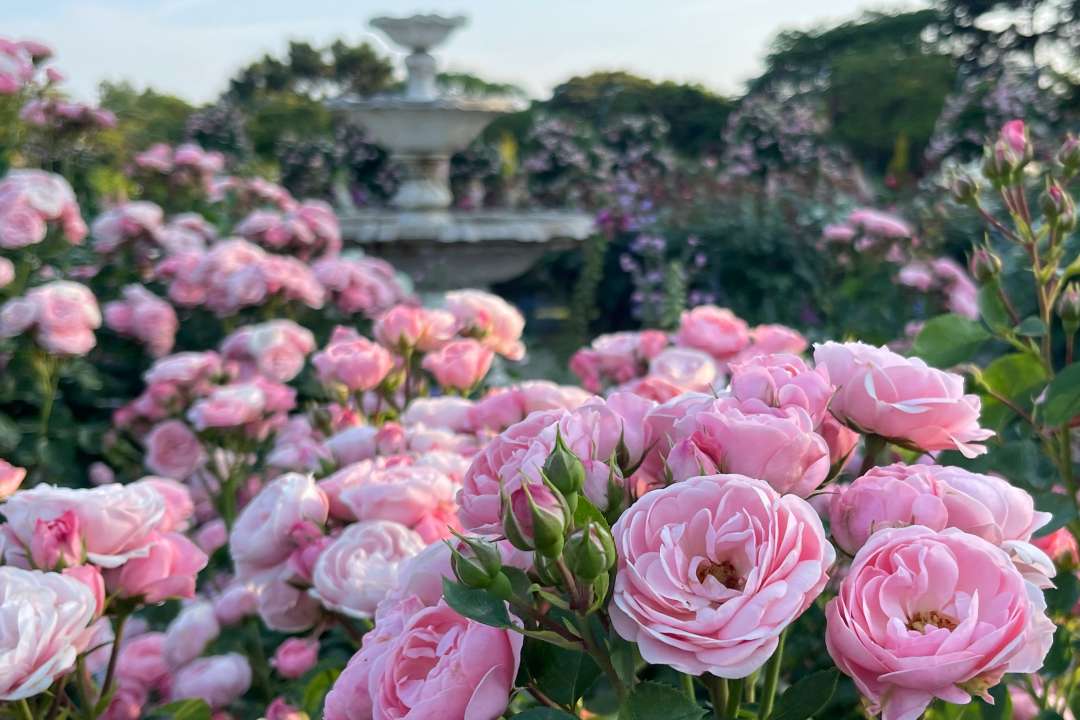
With the catchphrase “Spring in Japan begins at Lake Hamana,” the festival takes place at two main venues: Hamamatsu Flower Park and Hamanako Garden Park. The event offers a stunning relay-style display of flowers that bloom throughout each season, including Japan’s iconic cherry blossoms, tulips, nemophila, wisteria, and roses, attracting flower lovers from near and far.

Hamanako Flower Festival

Enjoy Seasonal Flowers at Hamamatsu Flower Park

Hamamatsu Flower Park, one of the main venues of the Hamanako Flower Festival, is a sprawling botanical garden covering 300,000 square meters. Home to around 3,000 plant species, it boasts breathtaking floral displays throughout the year.

Rose Garden, Hamamatsu Flower Park

From mid-March to mid-April during the flower festival, the Tulip and Cherry Blossom Garden reaches its peak, with 1,300 cherry blossom trees and 500,000 tulips blooming simultaneously. This is the only garden in Japan where you can witness such a large-scale display of cherry blossoms and tulips.

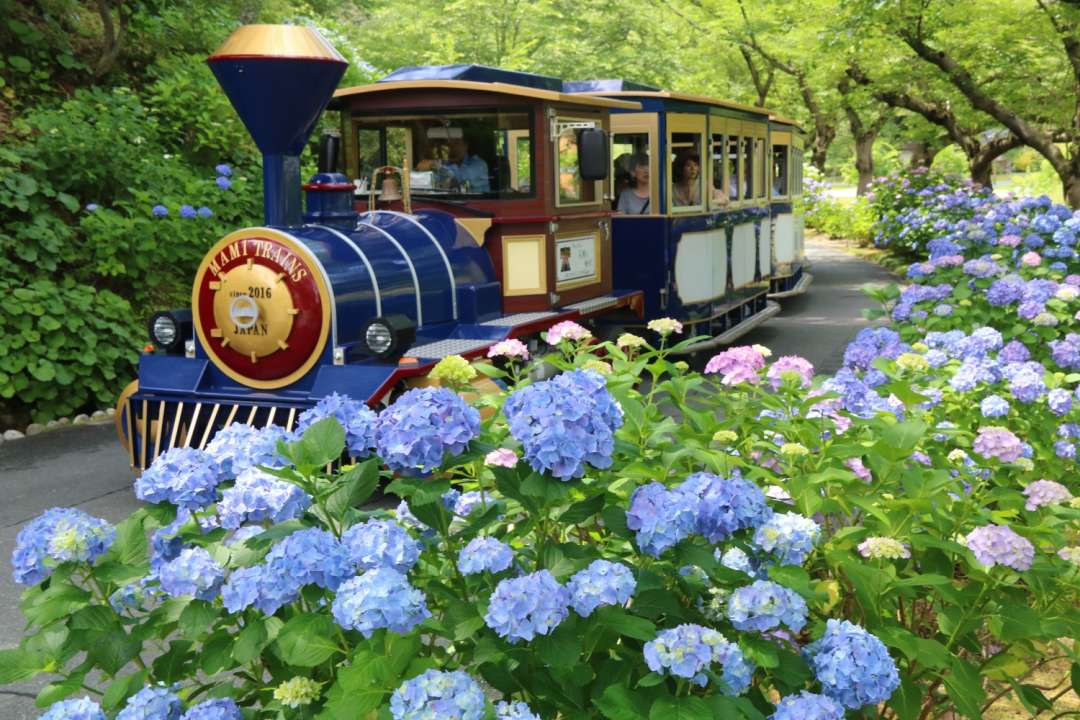
As spring transitions to early summer in late April to early May, the 170-meter-long Wisteria Corridor becomes a mesmerizing sight, especially when illuminated at night. In June, hydrangeas in shades of white, blue, and purple brighten the rainy season. The park also features a large greenhouse called the Crystal Palace, dynamic fountain shows synchronized with music, and the Flower Train bus, which offers a scenic ride through the park—making it a perfect destination for families.

Flower Train Bus at Hamamatsu Flower Park

Spectacular Flower Festival Scenes at Hamanako Garden Park

Hamanako Garden Park, the other main venue of the Hamanako Flower Festival, is a vast green space spanning approximately 56 hectares, offering expansive views of the natural beauty and open spaces of Lake Hamana.

From late March to mid-April, 10,000 tulips in 100 varieties blossom in striking colors, heralding the arrival of spring. Then, from mid to late April, around 300,000 nemophila flowers bloom to create an unforgettable sight, transforming the landscape into a vast blue carpet. The park also features a 50-meter-high observation tower, showcasing panoramic views of the entire garden park and Lake Hamana.

The Flower Garden, Hamanako Garden Park

Flower Museum, Hamanako Garden Park

Visitors can also discover rare flowers, such as the evergreen witchhazel, which blooms in April in Kosai City, adjacent to Hamamatsu. Found in only three locations in Japan, its delicate ribbon-like petals make it especially captivating. Another rarity is the shibukawa tsutsuji (jingu tsutsuji, Rhododendron sanctum), which blooms in May in Mikawa, parts of Mie Prefecture, and Hamamatsu. This rare flower thrives only in serpentine rock areas.

Evergreen Witchhazel

Jingu Tsutsuji (Rhododendron Sanctum)

Ryotanji Temple: A Legacy of 1,300 Years

According to temple records, Ryotanji Temple was founded by the priest Gyoki during the Nara period (710–794). From the Heian period (794-1185), it is said to have become the family temple of the Ii clan, a samurai lineage. The temple’s garden, designed by Kobori Enshu—a feudal lord and garden designer of the Edo period (1603–1867)—has been designated a national place of scenic beauty. It features numerous stone arrangements and artificial hills that depict cranes and turtles.
Ryotanji Temple also hosts seasonal flower events, including the Flower Festival in early April and the Satsuki(azalea) Festival from late April to May.

Ryotanji Temple

Ryotanji Garden by Enshu Kobori

Hamanako PalPal: A Resort-Style Amusement Park by the Lake

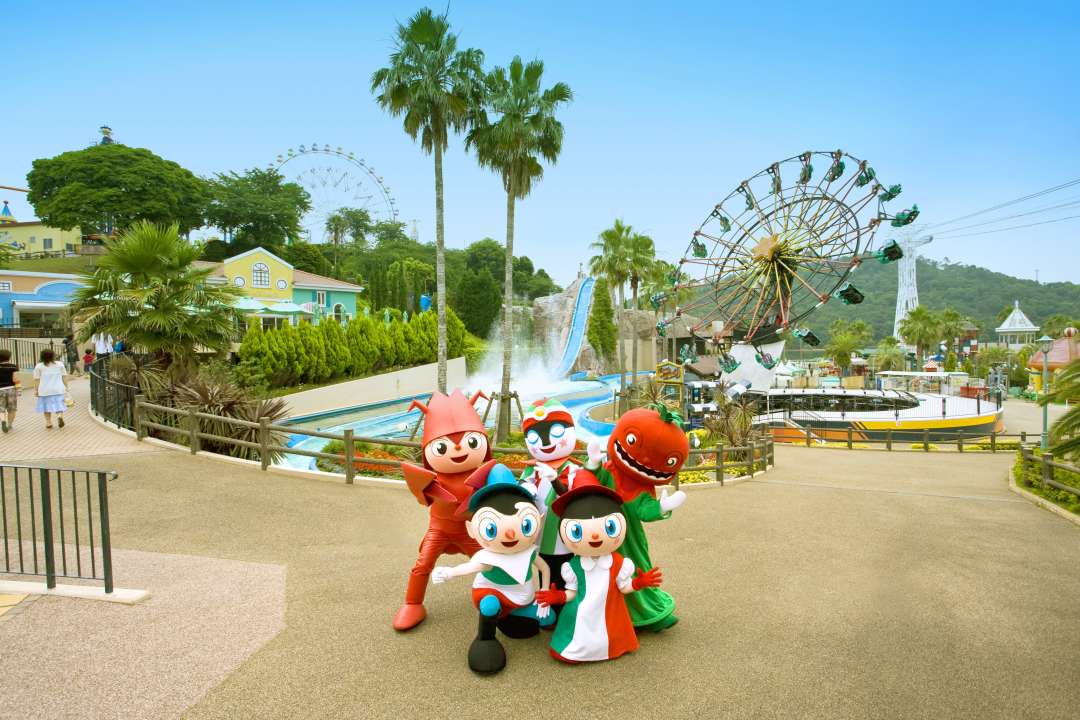
Located on the shores of Lake Hamana, Hamanako PalPal is a resort-style amusement park featuring around 30 attractions suited for all ages, from young children to adults. With a mix of fairy-tale-themed rides and thrilling extreme attractions, it’s a top destination for families and couples alike.

For an even more memorable experience, pair your visit with a ride on the Kanzanji Ropeway next door. Together, they offer a fun-filled way to take in the beauty of Lake Hamana.

Kanzanji Ropeway: Japan’s Only Ropeway Crossing a Lake

The Kanzanji Ropeway is the only ropeway in Japan that crosses a lake, traversing 723 meters in just four minutes. Below, the picturesque Lake Hamana stretches between the cities of Hamamatsu and Kosai in western Shizuoka Prefecture. The ropeway connects the Hamanako PalPal amusement park to the summit of Mount Okusa, offering a breathtaking 360-degree panoramic view throughout the ride.

At the summit of Mount Okusa sits the Hamanako Orgel Museum, home to a collection of valuable music boxes. Visitors can admire the intricate displays and enjoy the enchanting sounds. From the observation deck, you can take in sweeping views of Lake Hamana and the Pacific Ocean—and on clear days, even Mount Fuji. The scenery transforms with the seasons and time of day, offering plenty of dynamic sights.

Hotel Wellseason Hamanako: Savor Local Flavors and Relax in Hot Springs

Located in the Kanzanji Onsen hot spring area, Hotel Wellseason Hamanako is a family-friendly resort facility designed to accommodate guests with babies and small children, ensuring a stress-free stay.

The hotel is directly connected to Hamanako PalPal, and guests enjoy free admission to the amusement park. For relaxation, hotel guests have exclusive access to the open-air bath Hitotoki no Yu, or can unwind at the adjacent Hanasaki no Yu.
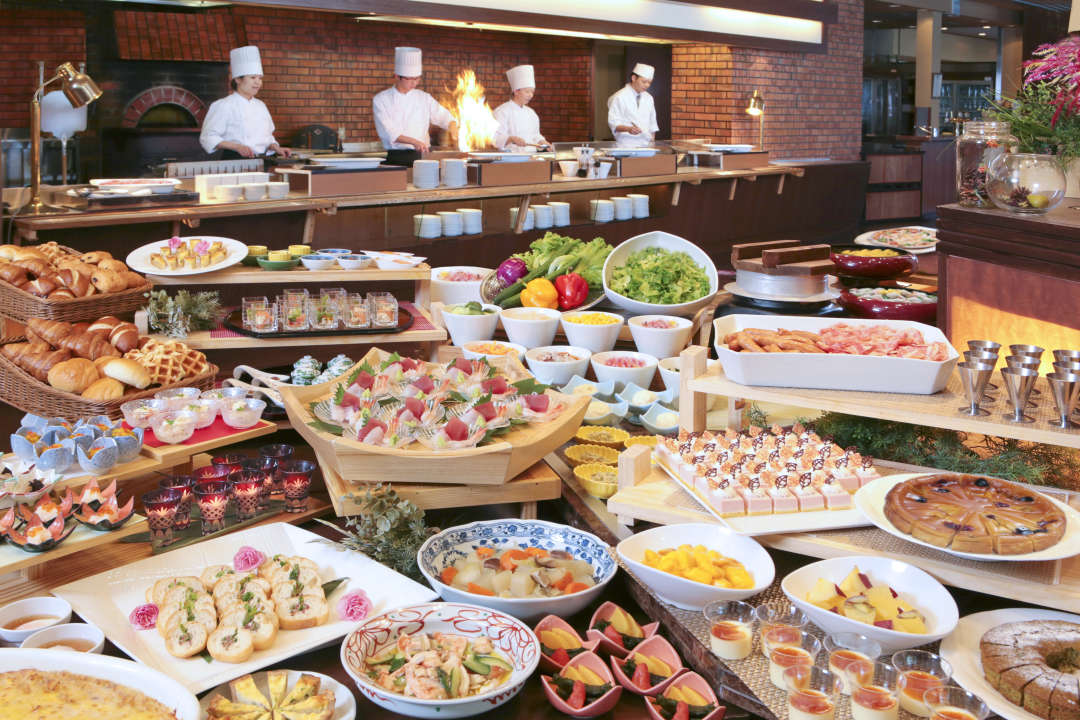
The buffet-style meals highlight local specialties, including Lake Hamana’s famous unagi (eel), premium Mikkabi-brand Japanese beef, and Hamamatsu gyoza. These flavors are beloved by both visitors and locals alike.

How to get there

Hamamatsu is easily accessible from Tokyo or Osaka in about 90 minutes via the Shinkansen bullet train. For those traveling by air, Chubu Centrair International Airport is a convenient option. From Nagoya, the Shinkansen bullet train is a hassle-free way to reach Hamamatsu in just 30 minutes. Once at Hamamatsu Station, the Lake Hamana area is about a 50-minute bus ride away.

Source link

Next Story

Celebrate 30 Years of Indo-Japan Friendship at the Hyderabad Japan Festival 2025 This Weekend!

This weekend, Hyderabad will play host to a slice of Japan. The 30th annual Hyderabad-Japan Festival returns to the city on October 25 and 26, 2025, at the State Art Gallery, Madhapur. Entry is free and open to all. Expect Japanese martial arts demonstrations, folk dances, and live music bands in the Japanese tradition.

There will also be Kuchipudi performances, live demos of Ikebana (the art of flower arrangement), Bonsai, Sumie (Japanese ink painting), and Origami (the art of paper sculpting). Visitors can try their hand at the crafts while learning directly from experts. Exhibitions and workshops featuring calligraphy and painting to photography and design of both cultures.

The event is organized by Na Ra JAPAN HUB, an initiative of the Naga Rama Trust, founded by Dr. B. Ramabhadra and Mrs. Naganath. Having spent nearly two decades in Japan, the couple began this festival three decades ago to foster cultural understanding between India and Japan. What started as a modest gathering has now become one of Hyderabad’s most anticipated annual events.

Talks and Exchanges

The Hyderabad-Japan Festival has always been about learning what makes Japan’s culture, education, and lifestyle so admired around the world, and finding how it connects with Indian values. This year, there will be special sessions and talks on:

  1. The Japanese language and learning pathways for students in India
  2. Education and career opportunities in Japan
  3. Indo-Japan relations and city-level collaborations like that between Hyderabad and Hamamatsu City
  4. Insights into Japan’s productivity methods, work ethics, and the globally loved Ikigai philosophy

These sessions will help students, entrepreneurs, and professionals understand how collaboration between the two nations is growing in education, business, and culture.

The festival has strong institutional support from:

  • Consulate-General of Japan in Chennai
  • Japan Foundation, New Delhi
  • JETRO (Japan External Trade Organization), New Delhi
  • Hyderabad Japanese Association

What To Expect

Japanese art groups like the Ohara School of Ikebana (Hyderabad), Golden Dragons, and several individual masters of Bonsai, Origami, and Sumie will showcase their skills. School students will participate in Origami, Painting, and Japanese Speech contests. Winners will be recognized during the festival. Adding to the festival’s significance, several dignitaries and cultural leaders will be in attendance. Among them are: Kenji Miyata, Acting Consul General of Japan, Chennai; Koji Sato, Director General, Japan Foundation, New Delhi; Takeshi Suzuki, Director General, JETRO, New Delhi; Collector Smt. Harichandana, IAS; Former DGP Sri SK Jayachandra, IPS (Retd.). They will be joined by artists, educators, business leaders, and enthusiasts from both countries.

Source link

Join our newsletter
and stay up to date

fill this form to get mail from us.

join 1000+ people reading our newsletter