Japan Korea Taiwan China

Japan, South Korea, China, India, Indonesia and Vietnam Faces New Charge Under US Visa Program: Details You Need to Know

As part of the U.S. government’s ongoing efforts to strengthen its visa program, Japan, alongside South Korea, China, India, Indonesia, and Vietnam, will now face a new charge under the U.S. visa program. This change, which affects several major countries, will introduce a Visa Integrity Fee aimed at improving the compliance monitoring of nonimmigrant visa applicants. The fee, set to take effect from October 1, 2025, will significantly impact travelers from these nations seeking various types of U.S. visas, including tourist, business, student, and work-related visas.

The new charge is part of a broader shift in U.S. immigration policy, aimed at enhancing the security and integrity of the visa issuance process. While this fee will apply to most visa applicants from the listed countries, it will primarily target nonimmigrant visa categories like B-1/B-2 (visitor visas), F/M (student and exchange visitor visas), and various work visas (H, L, O, P, Q, R). For many travelers, this new charge could increase the cost of applying for a U.S. visa, which may have ripple effects on international business, education, and tourism.

In this article, we explore the reasons behind this new fee, its expected impact on citizens from Japan, South Korea, China, India, Indonesia, and Vietnam, and what applicants need to know moving forward.

New U.S. Visa Fee Structure and Integrity Fee for Indian Travelers

For Indian citizens, the process for entering the United States can be done either by applying for a B-1/B-2 visitor visa or through other applicable visa categories, depending on the purpose of travel.

B-1/B-2 Visa

Indian citizens looking to visit the United States for tourism, business, or medical treatment must apply for the standard B-1/B-2 visitor visa. The required MRV fee for the B-1/B-2 visa is USD One Hundred Fifty Five for applicants aged 14 and older. This fee is standard for non-immigrant visas globally.

New Visa Integrity Fee and Future Costs

Starting in October 2025, all Indian applicants for non-VWP (Visa Waiver Program) visas, including B-1/B-2, will be subject to a Visa Integrity Fee of USD Two Hundred Fifty. This fee will apply to all travelers who need to apply for a visa to enter the U.S. The Visa Integrity Fee will significantly increase the total cost for applicants. After October 2025, the total cost for an Indian citizen applying for a B-1/B-2 visa will be USD Four Hundred Five (the MRV fee of USD One Hundred Fifty Five + the Visa Integrity Fee of USD Two Hundred Fifty).

Key Fee Changes for India in 2025

  • MRV fee: USD One Hundred Fifty Five for B-1/B-2 visa applications for adults (standard for all non-immigrant visas).
  • Visa Integrity Fee: USD Two Hundred Fifty, applicable to all non-VWP travelers, starting in October 2025.

The introduction of this new fee is part of the U.S. government’s ongoing efforts to enhance visa security and integrity.

Updated U.S. Visa Fees for Japanese Travelers: Short-Term and Long-Term Visas

For Japanese citizens, entering the United States can be done by applying for a B-1/B-2 visitor visa or other applicable visa categories depending on the purpose of travel.

B-1/B-2 Visa

Japanese citizens who wish to visit the United States for tourism, business, or medical treatment are required to apply for the standard B-1/B-2 visitor visa. The MRV fee for the B-1/B-2 visa is USD One Hundred Sixty for applicants aged 14 and older. This is the standard fee for non-immigrant visa applications globally.

Visa Fees for Different Age Groups

  • Adults (age 14 and older): The MRV fee for adults applying for the B-1/B-2 visa is USD One Hundred Sixty.
  • Minors (under 14): The MRV fee for minors is reduced to USD Seventy for a B-1/B-2 visa application.

New Visa Integrity Fee and Future Costs

Starting in October 2025, all Japanese citizens applying for a non-VWP visa, including the B-1/B-2 visa, will be required to pay the Visa Integrity Fee of USD Two Hundred Fifty. This fee will apply to all travelers from non-VWP countries, including Japan. Therefore, the total cost for Japanese applicants applying for a B-1/B-2 visa will increase to USD Four Hundred Ten (the MRV fee of USD One Hundred Sixty + the Visa Integrity Fee of USD Two Hundred Fifty).

For minors applying for the reduced MRV fee, the total cost will be USD Three Hundred Twenty (the MRV fee of USD Seventy + the Visa Integrity Fee of USD Two Hundred Fifty).

Key Fee Changes for Japan in 2025

  • MRV fee: USD One Hundred Sixty for adults (age 14 and older) applying for B-1/B-2 visas.
  • MRV fee: USD Seventy for minors (under age 14) applying for B-1/B-2 visas.
  • Visa Integrity Fee: USD Two Hundred Fifty, applicable to all non-VWP travelers, starting in October 2025.

These changes reflect the U.S. government’s effort to enhance the visa process security and ensure the integrity of the system, which will affect all non-VWP countries, including Japan.

Revised U.S. Visa Fees for South Korean Nationals: What You Need to Know

For South Korean citizens, entering the United States can be done by applying for a B-1/B-2 visitor visa or other relevant visa categories depending on the purpose of travel.

B-1/B-2 Visa

South Korean citizens who wish to visit the United States for tourism, business, or medical treatment need to apply for the standard B-1/B-2 visitor visa. The MRV fee for the B-1/B-2 visa is USD One Hundred Fifty Five for applicants aged 14 and older, which is the standard fee for non-immigrant visa applications globally.

Border Crossing Card (BCC) for South Korean Citizens

South Korea is not part of the Visa Waiver Program (VWP), so South Korean citizens must apply for a visa when traveling to the U.S. There is no separate Border Crossing Card (BCC) system available to South Korean citizens, as this card primarily applies to citizens of Mexico. Therefore, travelers from South Korea need to apply for the appropriate visa based on their purpose of visit.

New Visa Integrity Fee and Future Costs

Starting in October 2025, all South Korean citizens applying for a non-VWP visa, including the B-1/B-2 visa, will be required to pay the Visa Integrity Fee of USD Two Hundred Fifty. This fee will be applicable to all travelers from non-VWP countries, including South Korea. Therefore, the total cost for South Korean applicants for a B-1/B-2 visa will increase to USD Four Hundred Five (the MRV fee of USD One Hundred Fifty Five + the Visa Integrity Fee of USD Two Hundred Fifty).

Key Fee Changes for South Korea in 2025

  • MRV fee: USD One Hundred Fifty Five for B-1/B-2 visa applications for adults.
  • Visa Integrity Fee: USD Two Hundred Fifty, applicable to all non-VWP travelers, starting in October 2025.

This increase in fees is part of the U.S. government’s broader initiative to enhance visa security and ensure the integrity of its visa processing system.

Visa Fee Changes for Chinese Travelers to the U.S.: Extended Validity for Short-Term Visas

For Chinese citizens, entering the United States can be done by applying for a B-1/B-2 visitor visa or other relevant visa categories, depending on the purpose of travel.

B-1/B-2 Visa

Chinese citizens who wish to visit the United States for tourism, business, or medical treatment are required to apply for the standard B-1/B-2 visitor visa. The MRV fee for the B-1/B-2 visa is USD One Hundred Sixty for applicants aged 14 and older. This is the standard fee for non-immigrant visa applications worldwide.

Visa Fees for Different Age Groups

  • Adults (age 14 and older): The MRV fee for adults applying for the B-1/B-2 visa is USD One Hundred Sixty.
  • Minors (under 14): The MRV fee for minors is reduced to USD Seventy for a B-1/B-2 visa application.

New Visa Integrity Fee and Future Costs

Starting in October 2025, all Chinese citizens applying for a non-VWP visa, including the B-1/B-2 visa, will be required to pay the Visa Integrity Fee of USD Two Hundred Fifty. This fee will apply to all travelers from non-VWP countries, including China. As a result, the total cost for Chinese citizens applying for a B-1/B-2 visa will increase to USD Four Hundred Ten (the MRV fee of USD One Hundred Sixty + the Visa Integrity Fee of USD Two Hundred Fifty).

For minors applying for the reduced MRV fee, the total cost will be USD Three Hundred Twenty (the MRV fee of USD Seventy + the Visa Integrity Fee of USD Two Hundred Fifty).

Key Fee Changes for China in 2025

  • MRV fee: USD One Hundred Sixty for adults (age 14 and older) applying for B-1/B-2 visas.
  • MRV fee: USD Seventy for minors (under age 14) applying for B-1/B-2 visas.
  • Visa Integrity Fee: USD Two Hundred Fifty, applicable to all non-VWP travelers, starting in October 2025.

These fee changes reflect the U.S. government’s effort to improve the visa process security and ensure the integrity of the system, affecting all non-VWP countries, including China.For Chinese citizens, entering the United States can be done by applying for a B-1/B-2 visitor visa or other relevant visa categories, depending on the purpose of travel.

New US Visa Fees for Indonesian Travelers: Key Changes and Visa Integrity Fee

For Indonesian citizens, entering the United States can be done by applying for a B-1/B-2 visitor visa or other relevant visa categories depending on the purpose of travel.

B-1/B-2 Visa

Indonesian citizens who wish to visit the United States for tourism, business, or medical treatment must apply for the standard B-1/B-2 visitor visa. The MRV fee for the B-1/B-2 visa is USD One Hundred Fifty Five for applicants aged 14 and older. This is the standard fee for all non-immigrant visa applications globally.

Visa Fees for Different Age Groups

  • Adults (age 14 and older): The MRV fee for adults applying for the B-1/B-2 visa is USD One Hundred Fifty Five.
  • Minors (under 14): The MRV fee for minors is reduced to USD Seventy for a B-1/B-2 visa application.

New Visa Integrity Fee and Future Costs

Starting in October 2025, all Indonesian citizens applying for a non-VWP visa, including the B-1/B-2 visa, will be required to pay the Visa Integrity Fee of USD Two Hundred Fifty. This fee will apply to all travelers from non-VWP countries, including Indonesia. Therefore, the total cost for Indonesian applicants applying for a B-1/B-2 visa will increase to USD Four Hundred Ten (the MRV fee of USD One Hundred Fifty Five + the Visa Integrity Fee of USD Two Hundred Fifty).

For minors applying for the reduced MRV fee, the total cost will be USD Three Hundred Twenty (the MRV fee of USD Seventy + the Visa Integrity Fee of USD Two Hundred Fifty).

Key Fee Changes for Indonesia in 2025

  • MRV fee: USD One Hundred Fifty Five for adults (age 14 and older) applying for B-1/B-2 visas.
  • MRV fee: USD Seventy for minors (under age 14) applying for B-1/B-2 visas.
  • Visa Integrity Fee: USD Two Hundred Fifty, applicable to all non-VWP travelers, starting in October 2025.

These fee changes reflect the U.S. government’s effort to enhance the visa process security and ensure the integrity of the system, affecting all non-VWP countries, including Indonesia.

Updated U.S. Visa Fee Structure for Vietnamese Nationals: What You Need to Know

For Vietnamese citizens, entering the United States can be done by applying for a B-1/B-2 visitor visa or other relevant visa categories depending on the purpose of travel.

B-1/B-2 Visa

Vietnamese citizens who wish to visit the United States for tourism, business, or medical treatment are required to apply for the standard B-1/B-2 visitor visa. The MRV fee for the B-1/B-2 visa is USD One Hundred Fifty Five for applicants aged 14 and older. This is the standard fee for all non-immigrant visa applications globally.

Visa Fees for Different Age Groups

  • Adults (age 14 and older): The MRV fee for adults applying for the B-1/B-2 visa is USD One Hundred Fifty Five.
  • Minors (under 14): The MRV fee for minors is reduced to USD Seventy for a B-1/B-2 visa application.

New Visa Integrity Fee and Future Costs

Starting in October 2025, all Vietnamese citizens applying for a non-VWP visa, including the B-1/B-2 visa, will be required to pay the Visa Integrity Fee of USD Two Hundred Fifty. This fee will apply to all travelers from non-VWP countries, including Vietnam. Therefore, the total cost for Vietnamese applicants applying for a B-1/B-2 visa will increase to USD Four Hundred Ten (the MRV fee of USD One Hundred Fifty Five + the Visa Integrity Fee of USD Two Hundred Fifty).

For minors applying for the reduced MRV fee, the total cost will be USD Three Hundred Twenty (the MRV fee of USD Seventy + the Visa Integrity Fee of USD Two Hundred Fifty).

Key Fee Changes for Vietnam in 2025

  • MRV fee: USD One Hundred Fifty Five for adults (age 14 and older) applying for B-1/B-2 visas.
  • MRV fee: USD Seventy for minors (under age 14) applying for B-1/B-2 visas.
  • Visa Integrity Fee: USD Two Hundred Fifty, applicable to all non-VWP travelers, starting in October 2025.

These fee changes reflect the U.S. government’s effort to enhance the visa process security and ensure the integrity of its visa system, affecting all non-VWP countries, including Vietnam.

Conclusion

In conclusion, the introduction of the new Visa Integrity Fee and revised U.S. visa fees for Japan, South Korea, China, India, Indonesia, and Vietnam marks a significant shift in the visa application process. Travelers from these countries should stay informed about these changes to ensure a smooth application experience and plan accordingly for the increased costs.

Source link

Next Story
PTSGI Translation

PTSGI India: Professional Translation, Interpretation & Localization Services for Global Businesses

New DelhiPresident Translation Service Group International (PTSGI), headquartered in Taipei, is a leading provider of professional language translation services (145+ languages) since 1966, continues to expand its presence as a trusted partner for businesses seeking high-quality translation, interpretation, localization, subtitling, dubbing, voice-over, and multilingual content solutions across global markets.

With increasing demand for cross-border communication, regulatory documentation, and multilingual customer engagement, PTSGI supports organizations with accurate, industry-specific language solutions designed to help brands operate seamlessly across diverse languages and cultures.


Meeting the Growing Need for Multilingual Communication

As international business expands rapidly across industries, the need for precise and culturally aligned communication has become essential. PTSGI addresses this demand by delivering professional translation and interpretation services that align with global quality standards, ensuring clients maintain clarity, consistency, and compliance in every market.

From corporate communications to technical manuals, legal contracts, and multimedia content, PTSGI provides tailored solutions that meet both local and international requirements.


Comprehensive Language Services Under One Roof

PTSGI offers a complete portfolio of language services, including:

  • Professional Translation Services (145+ global languages)
  • Technical & Engineering Translation (HVAC, manufacturing, energy, IT, manuals)
  • Legal & Certified Translation
  • Interpretation Services (On-site, Remote, Conference Interpretation)
  • Localization Services (Websites, mobile apps, software, product content)
  • Subtitling & Captioning (Corporate videos, training modules, media content)
  • Dubbing & Voice-over Services (Multi-language studio solutions)
  • Transcription Services
  • Multilingual Desktop Publishing (DTP)

Each project is executed through a structured workflow that ensures linguistic accuracy, formatting consistency, and timely delivery.


PTSGI India

PTSGI’s India office is coordinated by Mr. Vivek Mishra, who serves as the key point of contact for both domestic and international clients.

Mr. Vivek Mishra oversees end-to-end project coordination, ensuring smooth communication, timely execution, and quality delivery across all service lines. He plays an active role in managing multilingual requirements for corporate, government, and industrial clients, supporting both recurring and high-volume projects with dedicated coordination.


Quality, Confidentiality & Client-Centric Execution

PTSGI differentiates itself through its commitment to quality assurance and professional project management. Every assignment undergoes careful review processes to ensure the highest level of accuracy and consistency.

Key strengths include:

Industry-specialized linguists & subject-matter experts
✅ Multi-step QA and proofreading process
✅ Secure and confidential handling of sensitive documents
✅ Scalable delivery model for bulk and recurring projects
✅ Fast turnaround options for urgent requirements
✅ Dedicated project coordination and responsive support


Supporting Industries Worldwide

PTSGI works with organizations across multiple sectors, including: Legal | Manufacturing | Engineering | HVAC | Energy | Healthcare | IT & Software | Government | Corporate & Marketing

Whether supporting multinational companies, SMEs, or public sector organizations, PTSGI enables clear communication and smoother international operations.


Useful Links

🌐 Website: https://www.ptsgi.com/en/
📩 Request a Quote: indmkt1@ptsgi.com


Contact for Business Enquiries

PTSGI India Office – Vivek Mishra
📍 Address: Spacetime, 1st Floor Office. 261, Lane no.5, Westend Marg, Saket, New Delhi, Delhi 110030
📞 Phone: +91 98711 82233, +91 11 47048089
📧 Email: indmkt1@ptsgi.com
🌐 Website: https://www.ptsgi.com/en/


About PTSGI

PTSGI is a professional language translation services provider delivering end-to-end multilingual solutions including translation, interpretation, localization, subtitling, dubbing, voice-over, and multilingual publishing. With a strong network of expert linguists and a structured quality assurance process, PTSGI helps organizations communicate effectively across borders and cultures.

Next Story
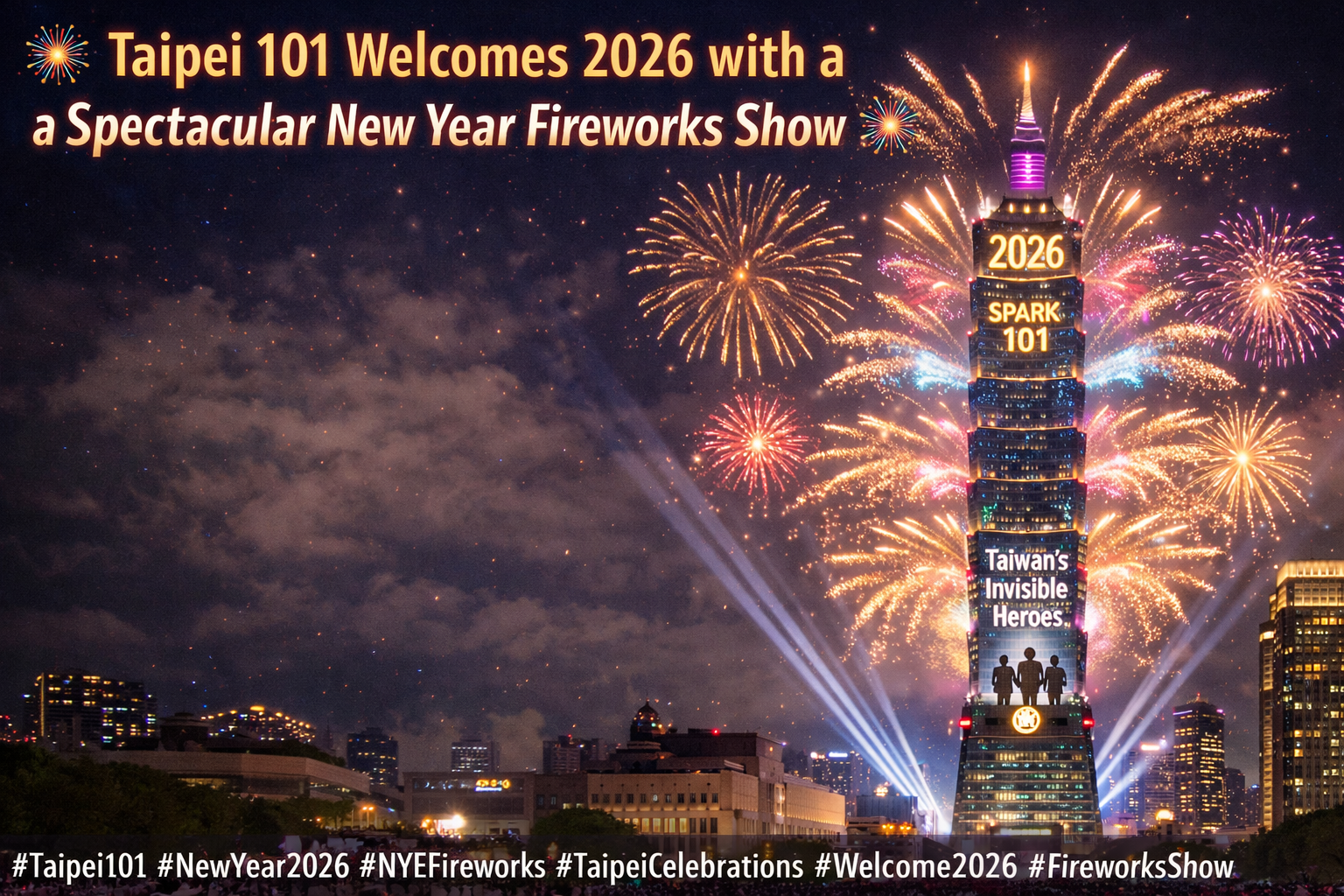
Taipei 101 Welcomes 2026 with a Spectacular New Year Fireworks Show

Taipei 101 Welcomes 2026 with a Spectacular New Year Fireworks Show

Taipei celebrated the arrival of 2026 with its annual New Year’s Eve countdown, climaxing in a dramatic six-minute fireworks show launched from Taipei 101, the iconic skyscraper dominating the city’s skyline.

Theme & Production: The 2026 display, titled “SPARK 101,” featured low-smoke pyrotechnics and was paired with synchronized music composed by young Taiwanese musicians. There were also special light projection segments, including tributes like a “Taiwan’s invisible heroes” theme shown on the tower’s façade before midnight.

Crowd & Celebrations: Tens of thousands of people gathered in Taipei’s Xinyi District and around City Hall Plaza despite rainy conditions to watch the performance and join the countdown festivities, which included concerts and cultural programming leading up to midnight.

Next Story

Experience the Hamamatsu and Lake Hamana Area: A Floral Wonderland for Unforgettable Moments[PR]| JAPAN Monthly Web Magazine

Shizuoka Prefecture, located in central Honshu between Tokyo and Nagoya, is a region rich in natural beauty. To its east stands Japan’s highest peak, Mount Fuji, while the Pacific Ocean stretches to its south. In the Hamamatsu and Lake Hamana area, the Hamanako Flower Festival is held every spring, offering visitors a chance to admire the vibrant flowers. The area also features attractions the whole family can enjoy, including a resort-style amusement park and a scenic ropeway that crosses the lake. It is even celebrated as a “destination where you can show your parents just how much you appreciate them.” Join us as we uncover the many charms of the Hamamatsu and Lake Hamana area, an ideal spot for making lasting memories.

Hamanako Flower Festival: A Celebration of Seasonal Blooms

With its abundant sunshine and mild climate, the Lake Hamana area in Hamamatsu City, Shizuoka Prefecture, is a haven for vibrant seasonal flowers. From March to June, the annual Hamanako Flower Festival brings the landscape to life, celebrating the beauty of nature in full bloom.

With the catchphrase “Spring in Japan begins at Lake Hamana,” the festival takes place at two main venues: Hamamatsu Flower Park and Hamanako Garden Park. The event offers a stunning relay-style display of flowers that bloom throughout each season, including Japan’s iconic cherry blossoms, tulips, nemophila, wisteria, and roses, attracting flower lovers from near and far.

Hamanako Flower Festival

Enjoy Seasonal Flowers at Hamamatsu Flower Park

Hamamatsu Flower Park, one of the main venues of the Hamanako Flower Festival, is a sprawling botanical garden covering 300,000 square meters. Home to around 3,000 plant species, it boasts breathtaking floral displays throughout the year.

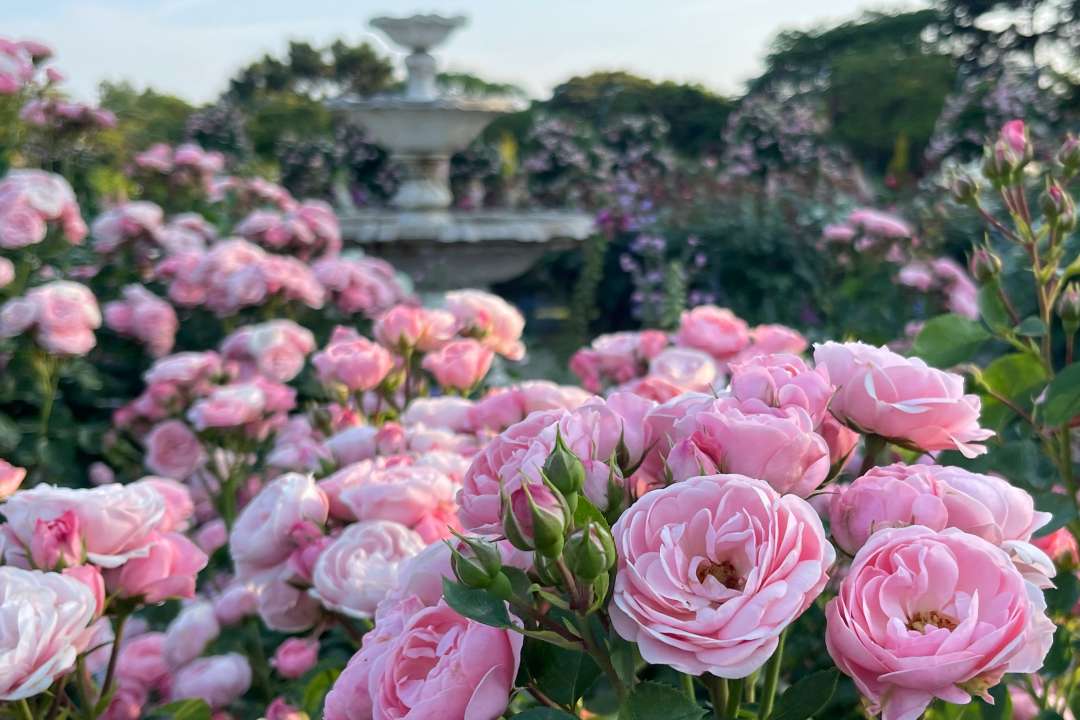
Rose Garden, Hamamatsu Flower Park

From mid-March to mid-April during the flower festival, the Tulip and Cherry Blossom Garden reaches its peak, with 1,300 cherry blossom trees and 500,000 tulips blooming simultaneously. This is the only garden in Japan where you can witness such a large-scale display of cherry blossoms and tulips.

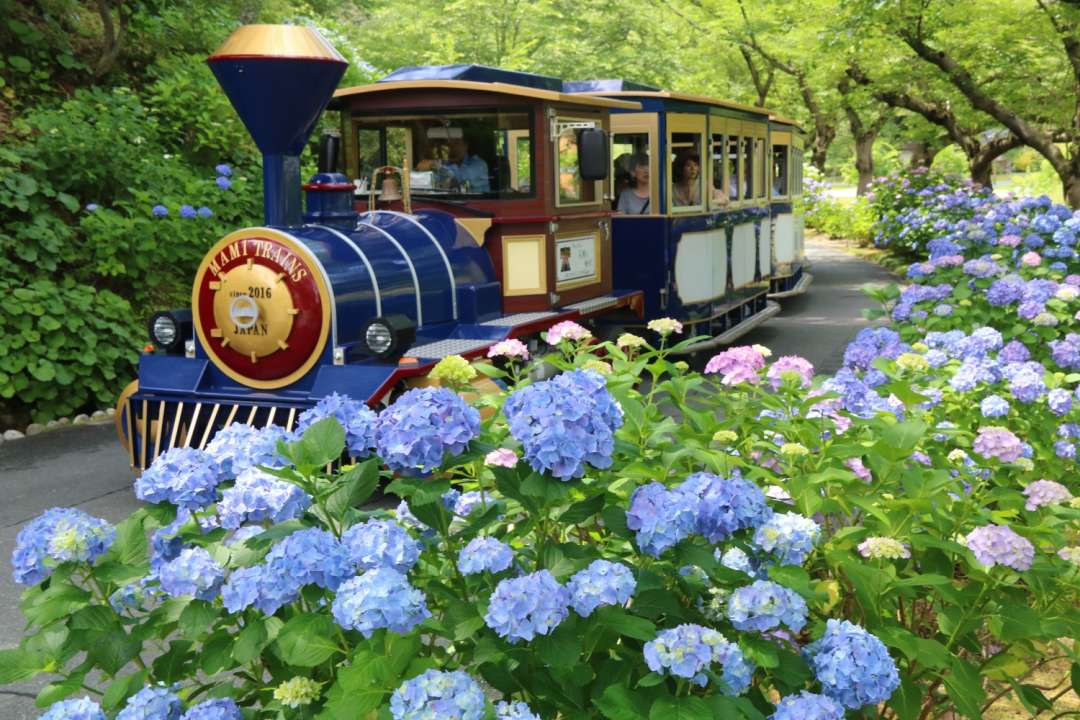
As spring transitions to early summer in late April to early May, the 170-meter-long Wisteria Corridor becomes a mesmerizing sight, especially when illuminated at night. In June, hydrangeas in shades of white, blue, and purple brighten the rainy season. The park also features a large greenhouse called the Crystal Palace, dynamic fountain shows synchronized with music, and the Flower Train bus, which offers a scenic ride through the park—making it a perfect destination for families.

Flower Train Bus at Hamamatsu Flower Park

Spectacular Flower Festival Scenes at Hamanako Garden Park

Hamanako Garden Park, the other main venue of the Hamanako Flower Festival, is a vast green space spanning approximately 56 hectares, offering expansive views of the natural beauty and open spaces of Lake Hamana.

From late March to mid-April, 10,000 tulips in 100 varieties blossom in striking colors, heralding the arrival of spring. Then, from mid to late April, around 300,000 nemophila flowers bloom to create an unforgettable sight, transforming the landscape into a vast blue carpet. The park also features a 50-meter-high observation tower, showcasing panoramic views of the entire garden park and Lake Hamana.

The Flower Garden, Hamanako Garden Park

Flower Museum, Hamanako Garden Park

Visitors can also discover rare flowers, such as the evergreen witchhazel, which blooms in April in Kosai City, adjacent to Hamamatsu. Found in only three locations in Japan, its delicate ribbon-like petals make it especially captivating. Another rarity is the shibukawa tsutsuji (jingu tsutsuji, Rhododendron sanctum), which blooms in May in Mikawa, parts of Mie Prefecture, and Hamamatsu. This rare flower thrives only in serpentine rock areas.

Evergreen Witchhazel

Jingu Tsutsuji (Rhododendron Sanctum)

Ryotanji Temple: A Legacy of 1,300 Years

According to temple records, Ryotanji Temple was founded by the priest Gyoki during the Nara period (710–794). From the Heian period (794-1185), it is said to have become the family temple of the Ii clan, a samurai lineage. The temple’s garden, designed by Kobori Enshu—a feudal lord and garden designer of the Edo period (1603–1867)—has been designated a national place of scenic beauty. It features numerous stone arrangements and artificial hills that depict cranes and turtles.
Ryotanji Temple also hosts seasonal flower events, including the Flower Festival in early April and the Satsuki(azalea) Festival from late April to May.

Ryotanji Temple

Ryotanji Garden by Enshu Kobori

Hamanako PalPal: A Resort-Style Amusement Park by the Lake

Located on the shores of Lake Hamana, Hamanako PalPal is a resort-style amusement park featuring around 30 attractions suited for all ages, from young children to adults. With a mix of fairy-tale-themed rides and thrilling extreme attractions, it’s a top destination for families and couples alike.

For an even more memorable experience, pair your visit with a ride on the Kanzanji Ropeway next door. Together, they offer a fun-filled way to take in the beauty of Lake Hamana.

Kanzanji Ropeway: Japan’s Only Ropeway Crossing a Lake

The Kanzanji Ropeway is the only ropeway in Japan that crosses a lake, traversing 723 meters in just four minutes. Below, the picturesque Lake Hamana stretches between the cities of Hamamatsu and Kosai in western Shizuoka Prefecture. The ropeway connects the Hamanako PalPal amusement park to the summit of Mount Okusa, offering a breathtaking 360-degree panoramic view throughout the ride.

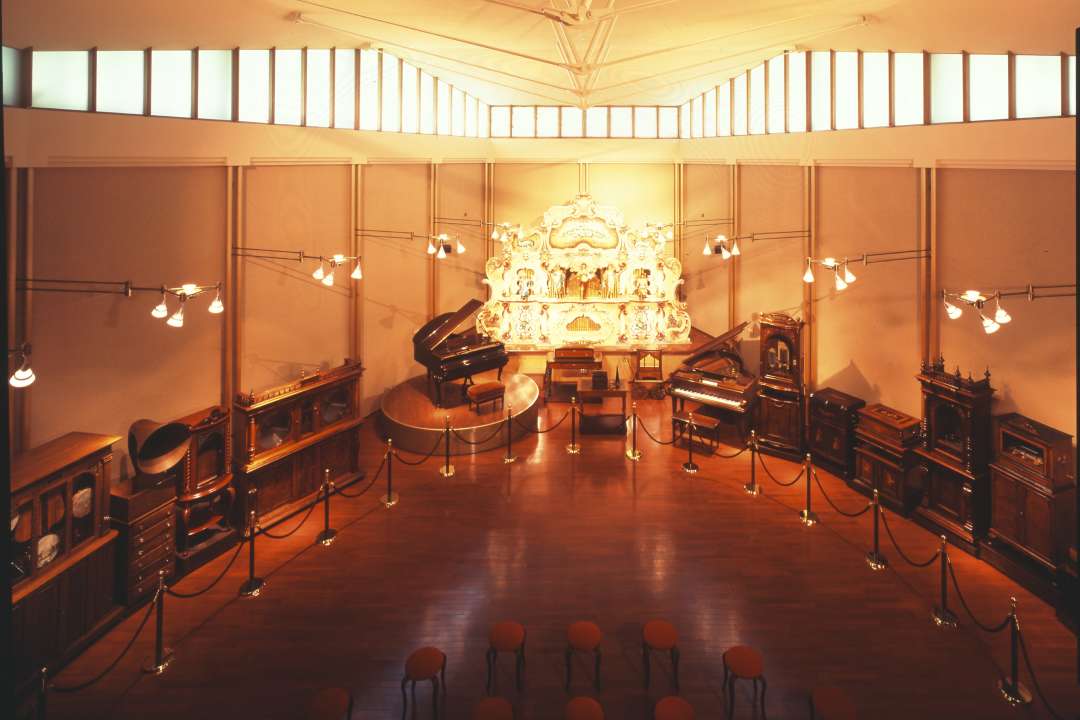
At the summit of Mount Okusa sits the Hamanako Orgel Museum, home to a collection of valuable music boxes. Visitors can admire the intricate displays and enjoy the enchanting sounds. From the observation deck, you can take in sweeping views of Lake Hamana and the Pacific Ocean—and on clear days, even Mount Fuji. The scenery transforms with the seasons and time of day, offering plenty of dynamic sights.

Hotel Wellseason Hamanako: Savor Local Flavors and Relax in Hot Springs

Located in the Kanzanji Onsen hot spring area, Hotel Wellseason Hamanako is a family-friendly resort facility designed to accommodate guests with babies and small children, ensuring a stress-free stay.

The hotel is directly connected to Hamanako PalPal, and guests enjoy free admission to the amusement park. For relaxation, hotel guests have exclusive access to the open-air bath Hitotoki no Yu, or can unwind at the adjacent Hanasaki no Yu.
The buffet-style meals highlight local specialties, including Lake Hamana’s famous unagi (eel), premium Mikkabi-brand Japanese beef, and Hamamatsu gyoza. These flavors are beloved by both visitors and locals alike.

How to get there

Hamamatsu is easily accessible from Tokyo or Osaka in about 90 minutes via the Shinkansen bullet train. For those traveling by air, Chubu Centrair International Airport is a convenient option. From Nagoya, the Shinkansen bullet train is a hassle-free way to reach Hamamatsu in just 30 minutes. Once at Hamamatsu Station, the Lake Hamana area is about a 50-minute bus ride away.

Source link

Next Story

Celebrate 30 Years of Indo-Japan Friendship at the Hyderabad Japan Festival 2025 This Weekend!

This weekend, Hyderabad will play host to a slice of Japan. The 30th annual Hyderabad-Japan Festival returns to the city on October 25 and 26, 2025, at the State Art Gallery, Madhapur. Entry is free and open to all. Expect Japanese martial arts demonstrations, folk dances, and live music bands in the Japanese tradition.

There will also be Kuchipudi performances, live demos of Ikebana (the art of flower arrangement), Bonsai, Sumie (Japanese ink painting), and Origami (the art of paper sculpting). Visitors can try their hand at the crafts while learning directly from experts. Exhibitions and workshops featuring calligraphy and painting to photography and design of both cultures.

The event is organized by Na Ra JAPAN HUB, an initiative of the Naga Rama Trust, founded by Dr. B. Ramabhadra and Mrs. Naganath. Having spent nearly two decades in Japan, the couple began this festival three decades ago to foster cultural understanding between India and Japan. What started as a modest gathering has now become one of Hyderabad’s most anticipated annual events.

Talks and Exchanges

The Hyderabad-Japan Festival has always been about learning what makes Japan’s culture, education, and lifestyle so admired around the world, and finding how it connects with Indian values. This year, there will be special sessions and talks on:

  1. The Japanese language and learning pathways for students in India
  2. Education and career opportunities in Japan
  3. Indo-Japan relations and city-level collaborations like that between Hyderabad and Hamamatsu City
  4. Insights into Japan’s productivity methods, work ethics, and the globally loved Ikigai philosophy

These sessions will help students, entrepreneurs, and professionals understand how collaboration between the two nations is growing in education, business, and culture.

The festival has strong institutional support from:

  • Consulate-General of Japan in Chennai
  • Japan Foundation, New Delhi
  • JETRO (Japan External Trade Organization), New Delhi
  • Hyderabad Japanese Association

What To Expect

Japanese art groups like the Ohara School of Ikebana (Hyderabad), Golden Dragons, and several individual masters of Bonsai, Origami, and Sumie will showcase their skills. School students will participate in Origami, Painting, and Japanese Speech contests. Winners will be recognized during the festival. Adding to the festival’s significance, several dignitaries and cultural leaders will be in attendance. Among them are: Kenji Miyata, Acting Consul General of Japan, Chennai; Koji Sato, Director General, Japan Foundation, New Delhi; Takeshi Suzuki, Director General, JETRO, New Delhi; Collector Smt. Harichandana, IAS; Former DGP Sri SK Jayachandra, IPS (Retd.). They will be joined by artists, educators, business leaders, and enthusiasts from both countries.

Source link

Join our newsletter
and stay up to date

fill this form to get mail from us.

join 1000+ people reading our newsletter