Taiwan’s Unique Leverage in the Global Semiconductor Supply Chain
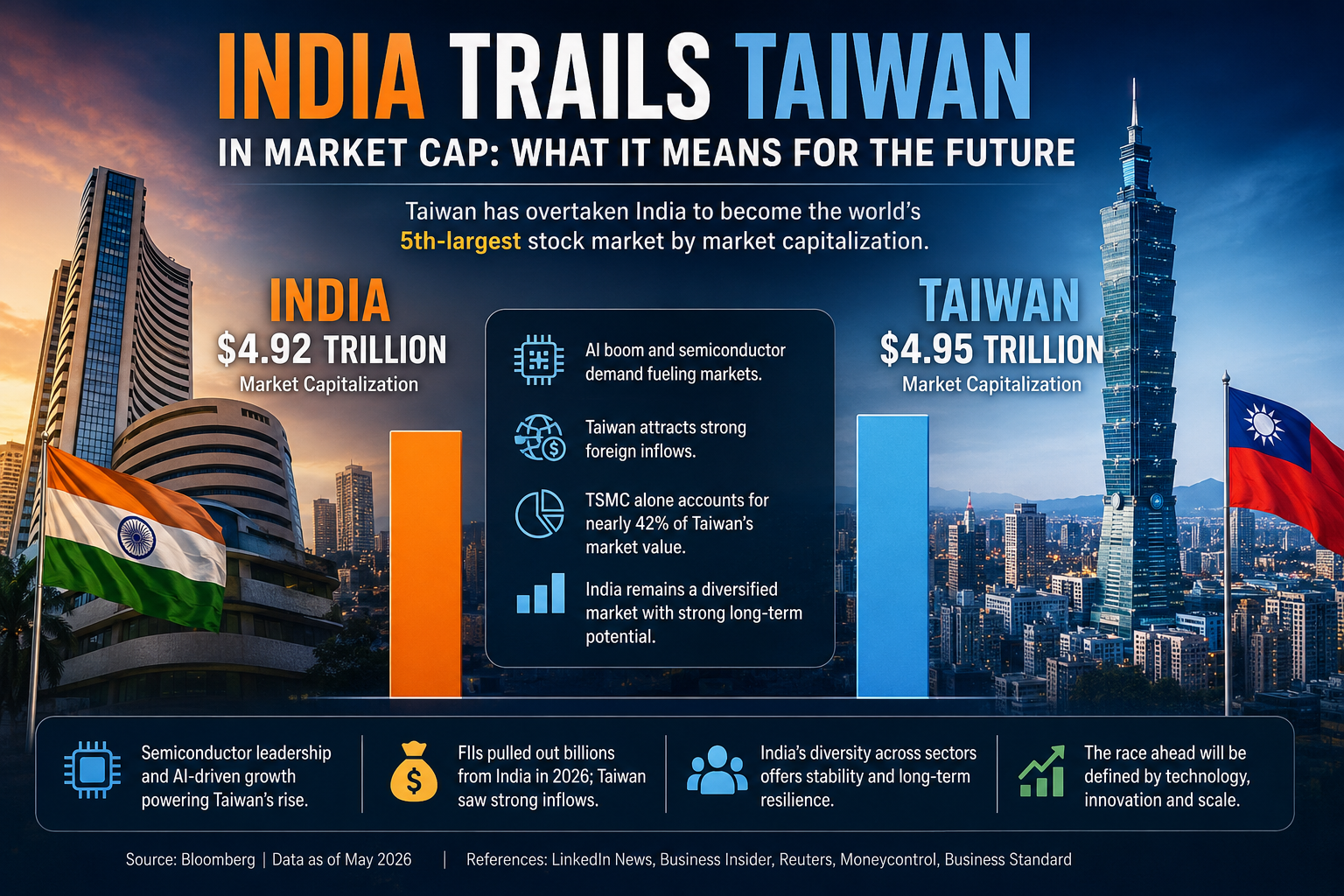
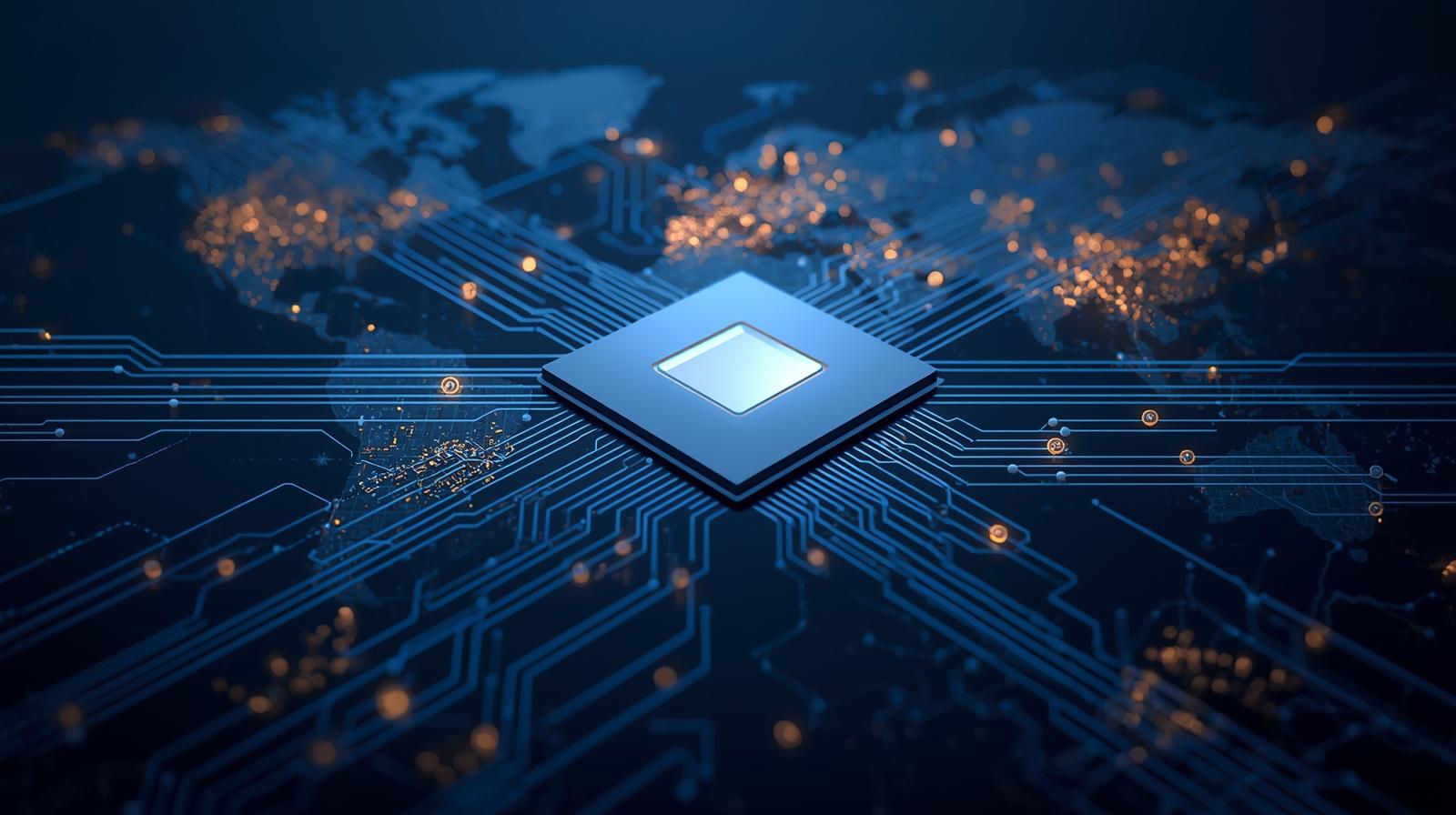
Taiwan holds an unrivaled position in the world of semiconductors — the microchips that power everything from smartphones and electric vehicles to AI supercomputers. The island produces nearly 90% of the world’s most advanced chips, giving it a level of influence that few other economies possess. But how did Taiwan, a relatively small island with limited natural resources, achieve this status as the beating heart of global technology?
Building the Foundation: Vision, Education, and Policy
Taiwan’s semiconductor success story began in the 1970s, when its government recognized the need to transition from low-cost manufacturing to high-value technology industries. The establishment of the Industrial Technology Research Institute (ITRI) was a turning point. The institute served as a bridge between research and commercial applications, bringing back expertise from collaborations with companies such as RCA in the United States.
Through ITRI’s initiatives, Taiwan developed early know-how in chip fabrication. This effort led to the creation of United Microelectronics Corporation (UMC) in 1980 — Taiwan’s first semiconductor company. It marked the beginning of a national mission to move up the global tech value chain.
The Game Changer: The Rise of TSMC
The single most important milestone in Taiwan’s semiconductor journey was the founding of Taiwan Semiconductor Manufacturing Company (TSMC) in 1987. Backed by the government and Dutch electronics giant Philips, TSMC pioneered the pure-play foundry model, manufacturing chips designed by other companies rather than producing its own products.
This model allowed global fabless design companies such as Apple, Nvidia, AMD, and Qualcomm to outsource chip production, while TSMC focused exclusively on innovation in manufacturing. The result was a perfect marriage of global design and Taiwanese precision engineering.
Over the decades, TSMC’s relentless reinvestment in research and development kept it at the forefront of technology — from 10-nanometer to 3-nanometer process nodes, and now the race toward 2-nanometer chips. Its cutting-edge facilities are responsible for powering the AI revolution, cloud computing, and next-generation consumer electronics.
The Ecosystem Advantage: Clusters, Talent, and Supply Chains
Taiwan’s dominance extends beyond a single company. The island has built a dense, interdependent ecosystem of suppliers, testing and packaging firms, logistics providers, and skilled engineers — all operating within a tightly integrated geographic cluster.
This ecosystem benefits from:
- Specialized suppliers for chemicals, photolithography materials, and testing equipment.
- STEM-focused education, producing a steady flow of skilled semiconductor engineers.
- Infrastructure efficiency, with world-class ports, energy systems, and transport links that minimize production delays.
Because these elements are deeply interconnected, Taiwan’s semiconductor ecosystem has become both resilient and exceptionally efficient. The high degree of specialization also creates a barrier to entry that competitors find nearly impossible to replicate.
Strategic Importance: The “Silicon Shield”
Taiwan’s chipmaking prowess has given rise to what analysts call the “Silicon Shield.” The world’s dependency on Taiwanese chips acts as a form of geopolitical deterrence — any disruption to Taiwan’s fabs would trigger global economic shockwaves.
This leverage also places Taiwan at the center of U.S.-China technology competition. The U.S. relies heavily on TSMC for advanced chips used in defense and computing, while China has been racing to develop its own semiconductor capacity under export restrictions that limit access to Taiwan’s technologies.
The result is a delicate balance: Taiwan’s chip industry is both its greatest economic asset and its most critical strategic vulnerability.
Challenges Ahead
Despite its dominance, Taiwan’s semiconductor sector faces several looming challenges:
- Geopolitical Risk – The Taiwan Strait remains a potential flashpoint that could disrupt global supply chains.
- Water and Energy Constraints – Advanced fabs consume enormous resources; droughts and power shortages pose real threats.
- Talent Shortages – As process nodes advance, demand for high-skilled engineers is outpacing supply.
- Rising Competition – The U.S., Japan, South Korea, and the EU are investing billions to localize chip production through initiatives like the CHIPS Act.
Even with these pressures, Taiwan’s deep experience, infrastructure, and innovation culture will likely ensure its continued dominance in the near term.
Outlook: The Future of the Chip Powerhouse
Taiwan’s semiconductor industry remains a cornerstone of the global economy. Its dominance not only powers technological progress but also shapes international relations and trade policies. While other nations may build new fabs and diversify supply chains, replicating Taiwan’s expertise, ecosystem, and precision is a long-term challenge.
In essence, Taiwan’s rise was not an accident — it was the result of decades of visionary policy, institutional investment, and engineering excellence. Today, its chips are the invisible infrastructure of the digital age.
Further Reading & Viewing
Articles:
- How Taiwan Secured Semiconductor Supremacy – The Guardian
- Onshoring Semiconductor Production: National Security vs Economic Efficiency – CFR
- Semiconductor Industry in Taiwan – Wikipedia
Videos:
- How Taiwan’s Semiconductor Industry Won – Behind Asia (YouTube)
- The Birth of Taiwan’s Semiconductor Industry – Asianometry (YouTube)
- How Taiwan Became a World Leader in Chipmaking – DW News (YouTube)