Introduction
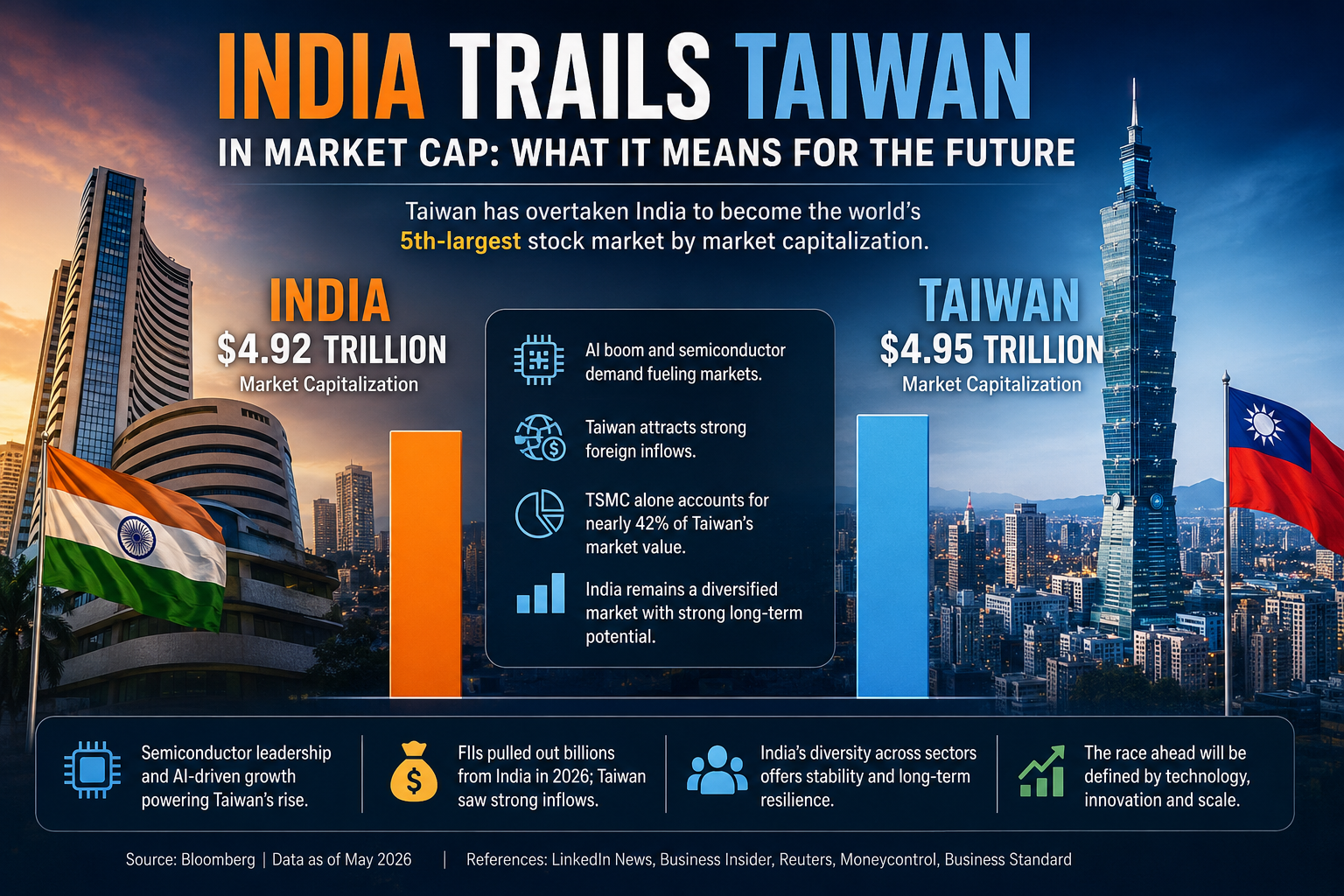
In an era of rapid globalization and ever-evolving geopolitical dynamics, economic partnerships are emerging as critical components of international relations. One such partnership gaining prominence is the growing economic relationship between India and Taiwan. Driven by mutual interests in technology, trade, and investment, the cooperation between these two democracies is set to redefine their roles on the world stage.
Historical Context
The roots of India-Taiwan relations can be traced back several decades. Although diplomatic relations were severed in 1949 when the People’s Republic of China was established, economic exchanges began to flourish starting in the late 20th century. In 1995, Taiwan opened an representative office in India, marking a significant step toward formal engagement. The economic relationship has since evolved, particularly with India’s economic liberalization policies in the 1990s, which encouraged foreign investment and trade.
Bilateral Trade Growth
In recent years, bilateral trade between India and Taiwan has witnessed remarkable growth. According to statistics from Taiwan’s Ministry of Economic Affairs, the trade volume reached approximately $7 billion in 2021, reflecting a steady increase from previous years. Taiwan’s expertise in electronics, machinery, and information technology complements India’s burgeoning market for these products.
India exports textiles, pharmaceuticals, and agricultural products to Taiwan, while importing high-tech components, including semiconductor devices and machinery. This mutually beneficial exchange benefits both economies and highlights the potential for future growth.
Investment Opportunities
Taiwanese Investment in India
Taiwanese companies have increasingly viewed India as a viable destination for investment. Key sectors attracting investment include information technology, electronics, and renewable energy. Prominent Taiwanese firms such as TSMC (Taiwan Semiconductor Manufacturing Company) have expressed interest in setting up manufacturing units in India, capitalizing on the country’s aim to become a global manufacturing hub.
Additionally, the Indian government’s “Make in India” initiative aligns with Taiwan’s vision of expanding its manufacturing footprint. This further cements the relationship, making it a win-win situation for both nations.
Indian Startups and Technology Transfer
India’s vibrant startup ecosystem has garnered significant attention from Taiwanese investors. The unique blend of innovation and technology offers numerous opportunities for collaboration. Taiwanese venture capitalists are increasingly targeting Indian startups, leading to tech transfer and knowledge sharing.
The potential for digital transformation and innovation in sectors such as fintech, e-commerce, and telecommunications is immense. The collaboration could set a precedent for other countries in the region and further bolster India’s economic landscape.
Diplomatic Engagement
While economic factors play a crucial role in strengthening ties, diplomatic engagement has also been pivotal. Over recent years, high-level visits between Indian and Taiwanese officials have increased, contributing positively to the partnership.
In 2020, the Indian government relaxed visa provisions for Taiwanese citizens, facilitating better exchanges. Moreover, the establishment of a “Taiwan-India Business Council” has led to enhanced dialogue and collaboration between businesses in both nations.
Cultural Exchanges
Cultural ties also play an essential part in fortifying the economic partnership. People-to-people connections, facilitated by academic exchanges and tourism, foster goodwill and understanding. Taiwanese academic institutions have set up partnerships with various Indian universities, enabling students to engage in exchange programs that broaden their horizons.
The growing interest in Mandarin language courses and cultural programs in India is another manifestation of these strengthening ties, providing a platform for deeper social and cultural exchanges.
Geopolitical Context
The geopolitical landscape plays a significant role in the India-Taiwan relationship. Both countries share concerns regarding China’s assertiveness in the Asia-Pacific region. India has been increasingly wary of China’s strategic maneuvers, especially in the South China Sea and its growing influence in South Asia.
Taiwan, facing its own existential challenges from Beijing, finds in India a supportive ally. The shared concerns over sovereignty and democratic values create a conducive environment for collaboration. As regional tensions rise, a stronger partnership between India and Taiwan could serve not only their national interests but also contribute to stability in the Indo-Pacific region.
Future Prospects
Looking ahead, the potential for growth in India-Taiwan relations appears bright. Both countries recognize the importance of strengthening economic ties as a means to combat common challenges. The COVID-19 pandemic underscored the significance of diversifying supply chains, prompting both nations to explore avenues for more in-depth cooperation.
Renewable Energy Collaboration
Given India’s commitment to increasing its renewable energy capacity, there lies a vast opportunity for collaboration in this sector. Taiwan’s advanced technologies in solar energy, wind energy, and battery storage systems can bolster India’s renewable energy objectives.
Joint ventures in research and development can lead to innovative solutions while aiding the global transition to sustainable energy sources. This collaboration not only serves economic purposes but also aligns with the global agenda for climate change.
Expanding Trade Agreements
As both countries look to deepen economic ties, the possibility of a formal trade agreement cannot be overlooked. Initiatives such as the India-Taiwan Free Trade Agreement could pave the way for reduced tariffs and enhanced market access, significantly benefiting various sectors.
Negotiating a bilateral investment treaty would further protect investments and provide a stable framework for cooperation. These agreements could facilitate smoother trade and investment flows, positioning both countries as key players in the global economy.
Conclusion
The burgeoning economic partnership between India and Taiwan is a testament to the potential of collaboration in an interconnected world. Driven by shared values, mutual interests, and a commitment to foster economic growth, both countries are poised for a prosperous future.
As they navigate the complexities of international relations and economic landscapes, India and Taiwan’s relationship stands as a shining example of how democratic nations can work together for the benefit of their people and the global community. The journey has just begun, and the horizon looks promising as they strive to strengthen their economic ties and enhance their roles on the world stage.